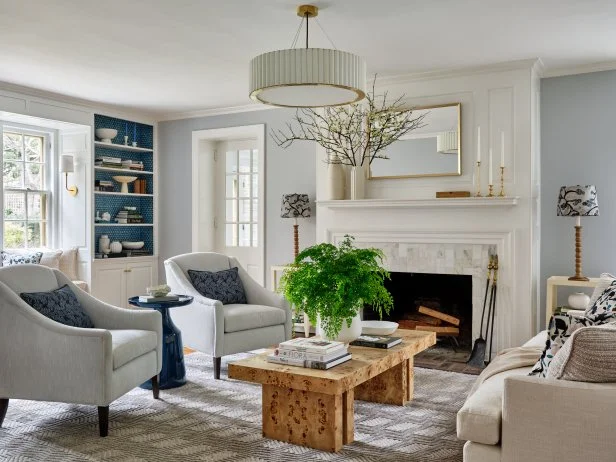
A well designed home does more than look good. It supports the way people live every day. Thoughtful layouts can reduce stress, save time, and improve comfort without requiring major changes. When each space is planned with purpose, daily routines become smoother and more enjoyable.
Understanding the Flow of Movement
One of the most important aspects of a smart home layout is how people move within it. A home should allow easy transitions between spaces like the kitchen, living area, and bedroom. When movement feels natural, tasks such as cooking, cleaning, and relaxing become effortless.
For example, placing frequently used items within reach or organizing furniture to avoid clutter can create a sense of openness. Even something as simple as checking cricket updates today becomes more enjoyable when you have a comfortable and well placed seating area that supports relaxation.
Zoning Spaces for Better Functionality
Dividing a home into functional zones helps in managing different activities effectively. Instead of mixing everything into one area, smart layouts assign clear purposes to each section. This could include a work zone, relaxation zone, and dining zone.
When spaces are clearly defined, distractions are reduced. A person working from home can focus better in a designated area rather than being surrounded by unrelated activities. Similarly, having a dedicated spot to unwind makes it easier to disconnect from work.
Interestingly, people often look for updates like dear lottery result yesterday while multitasking. A well planned layout ensures that such quick activities do not interrupt more important tasks.
Smart Storage Solutions
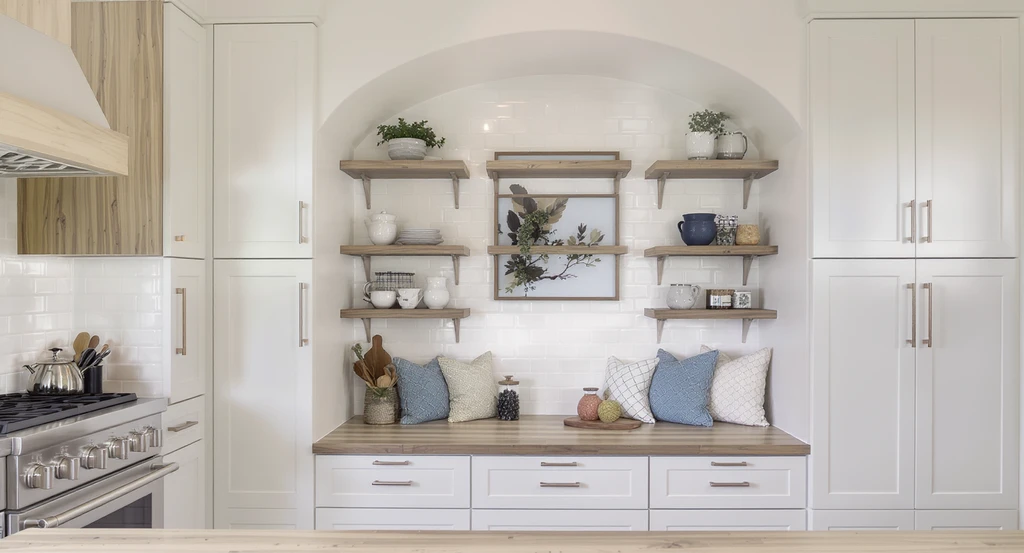
Clutter is one of the biggest obstacles to a smooth daily routine. Thoughtful layouts include smart storage solutions that keep items organized and easily accessible. Built in shelves, hidden cabinets, and multifunctional furniture can make a big difference.
When everything has a place, it reduces the time spent searching for items. This not only improves efficiency but also creates a calmer environment. Even during busy mornings, an organized home helps maintain a steady pace without unnecessary stress.
In some homes, people manage small business related activities such as checking aepds bihar sales. Having a dedicated storage or workspace for such tasks keeps the rest of the home clutter free.
Enhancing Comfort Through Design
Comfort plays a key role in how a home supports daily life. Proper lighting, ventilation, and furniture placement contribute to a pleasant environment. Natural light can boost mood, while good airflow keeps spaces fresh and inviting.
A thoughtfully arranged living area can also become a place for creativity and fun. Whether it is sharing skeleton puns with friends or spending time with family, the right layout encourages interaction and relaxation.
Comfort is not just about physical space. It is also about how a space makes you feel. A well designed home can create a sense of peace and balance that carries into daily routines.
Personal Touch and Expression
A smart home layout also reflects personal style and preferences. Adding elements like artwork, plants, or meaningful decor can make a space feel more connected to its occupants. Personalization turns a house into a home.
For many people, small creative expressions such as writing or reading one line quotes in hindi become part of their daily routine. A cozy corner designed for such activities can enhance both productivity and enjoyment.
Adapting to Changing Needs
Life is constantly changing, and homes should adapt accordingly. Flexible layouts allow spaces to evolve over time. A guest room can become a workspace, or a corner of the living room can turn into a study area.
This adaptability ensures that the home continues to support daily routines even as needs shift. It also reduces the need for frequent renovations, making it a practical long term solution.
Conclusion
Living smart is about making intentional choices in how a home is designed and organized. Thoughtful layouts improve daily routines by enhancing movement, reducing clutter, and supporting comfort. When each space serves a purpose, everyday life becomes more efficient and enjoyable.
A well planned home does not require luxury or large spaces. It simply requires attention to detail and an understanding of how daily activities unfold. With the right layout, even the simplest home can become a place that truly works for you.