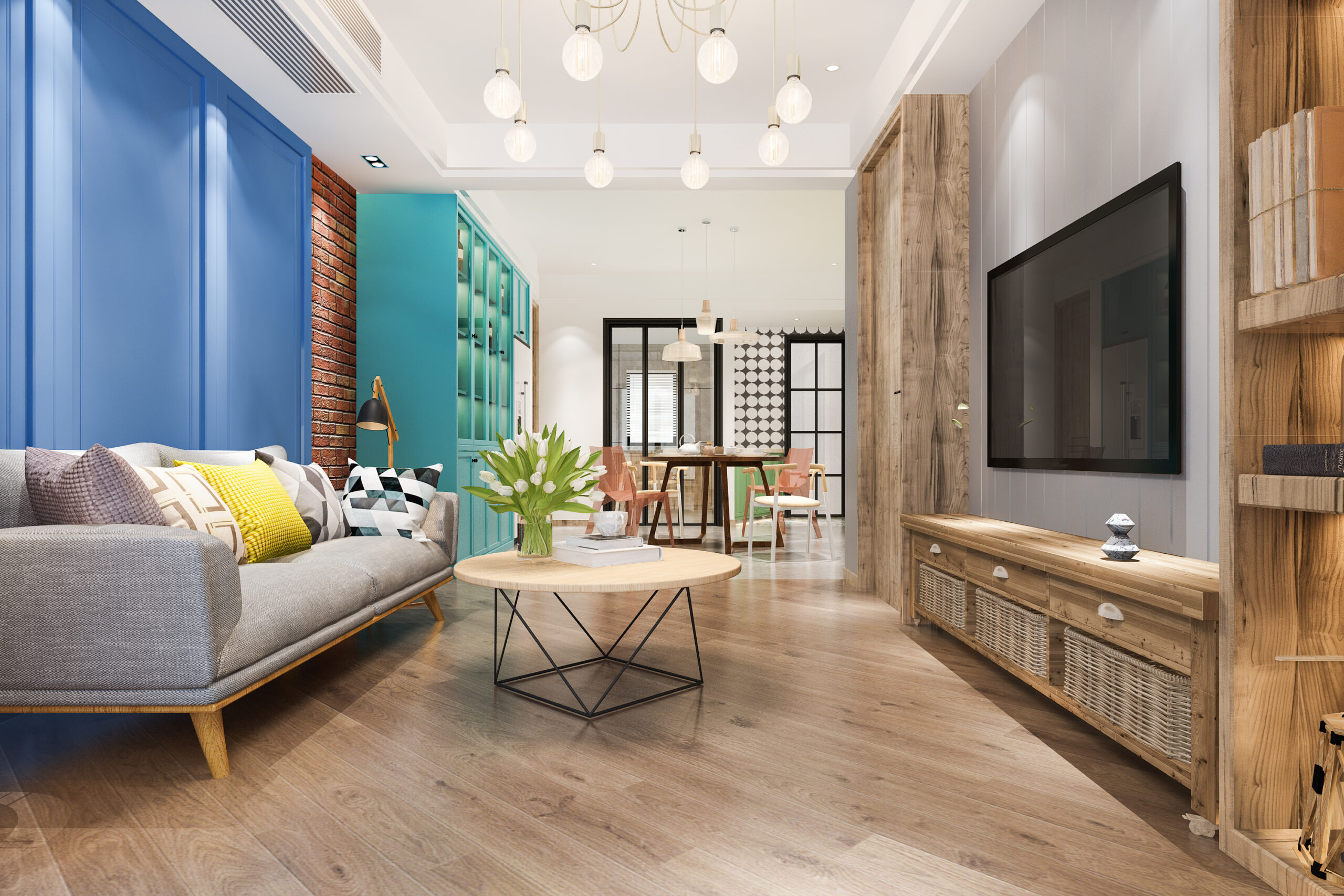
A beautiful home may catch attention at first glance, but true value comes from the way it supports everyday living. While colors, artwork, and furniture contribute to a home’s appearance, functionality determines how comfortable and practical it is over time. A functional home adapts to changing needs, simplifies daily routines, and provides a sense of balance that extends far beyond decorative choices.
When a home is designed with purpose, every room serves a meaningful role. Instead of focusing solely on visual appeal, homeowners increasingly recognize the importance of Layouts, storage, lighting, and flexibility that improve their quality of life.
Function Begins With Everyday Living
The foundation of a functional home lies in understanding how people actually use their space. Every household has unique habits, whether it involves working remotely, entertaining guests, raising children, or enjoying quiet evenings. Designing around these routines creates an environment that supports comfort rather than inconvenience.
A home should reduce unnecessary effort. Frequently used items should remain accessible, movement between rooms should feel natural, and furniture should encourage interaction instead of creating obstacles. Practical planning often delivers greater satisfaction than expensive decorative upgrades.
Flexible Spaces Support Changing Needs
Modern lifestyles continue evolving, and homes should evolve alongside them. A guest room may occasionally become a home office, while a dining area can double as a workspace or study zone when necessary.
Flexible layouts allow families to adapt without requiring expensive renovations. Modular furniture, movable partitions, and adaptable room designs increase long term usability while making better use of available square footage.
This same flexibility often mirrors the adaptability seen in business growth australia, where long term success depends on making efficient use of available resources rather than constantly expanding.
Durable Materials Deliver Long Term Value
Functionality also depends on selecting materials that perform well over time. Flooring, countertops, cabinetry, and wall finishes should withstand everyday use while remaining easy to maintain.
Rather than choosing products based only on current trends, homeowners benefit from investing in quality materials that continue looking attractive after years of regular use. Durability reduces repair costs while preserving the home’s overall appearance.
Much like articles shared through business write for us platforms emphasize sustainable decision making, thoughtful material selection rewards homeowners for years rather than seasons.
Smart Storage Creates Lasting Organization
Clutter quickly reduces both the beauty and usefulness of any home. Functional storage solutions allow homeowners to organize belongings without sacrificing style.
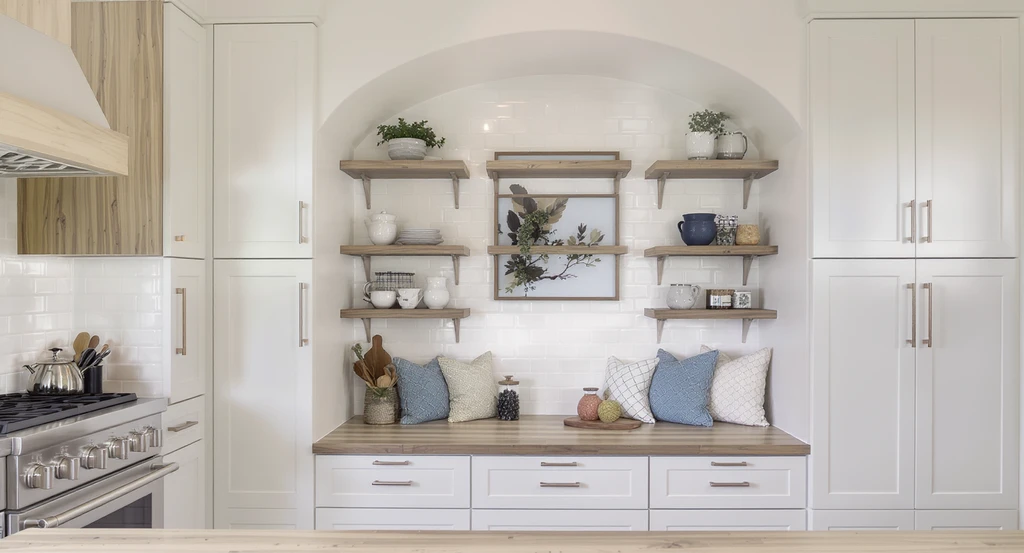
Built in shelving, concealed cabinets, multifunctional furniture, and well planned closets help maximize available space while maintaining a clean appearance. Storage is not simply about hiding items. It creates order, making daily activities more efficient and reducing stress throughout the home.
Well organized homes also remain easier to clean and maintain, saving valuable time throughout the year.
Natural Light Improves Both Comfort and Efficiency
Lighting affects far more than appearance. Natural sunlight improves mood, enhances productivity, and reduces dependence on artificial lighting during daytime hours.
Large windows, thoughtfully positioned mirrors, and open layouts help distribute daylight throughout the home. Proper lighting also improves safety by reducing dark corners and making everyday tasks easier.
Artificial lighting should complement natural sources with layered illumination that supports cooking, reading, working, and relaxing throughout different parts of the day.
Efficient Layouts Encourage Better Movement
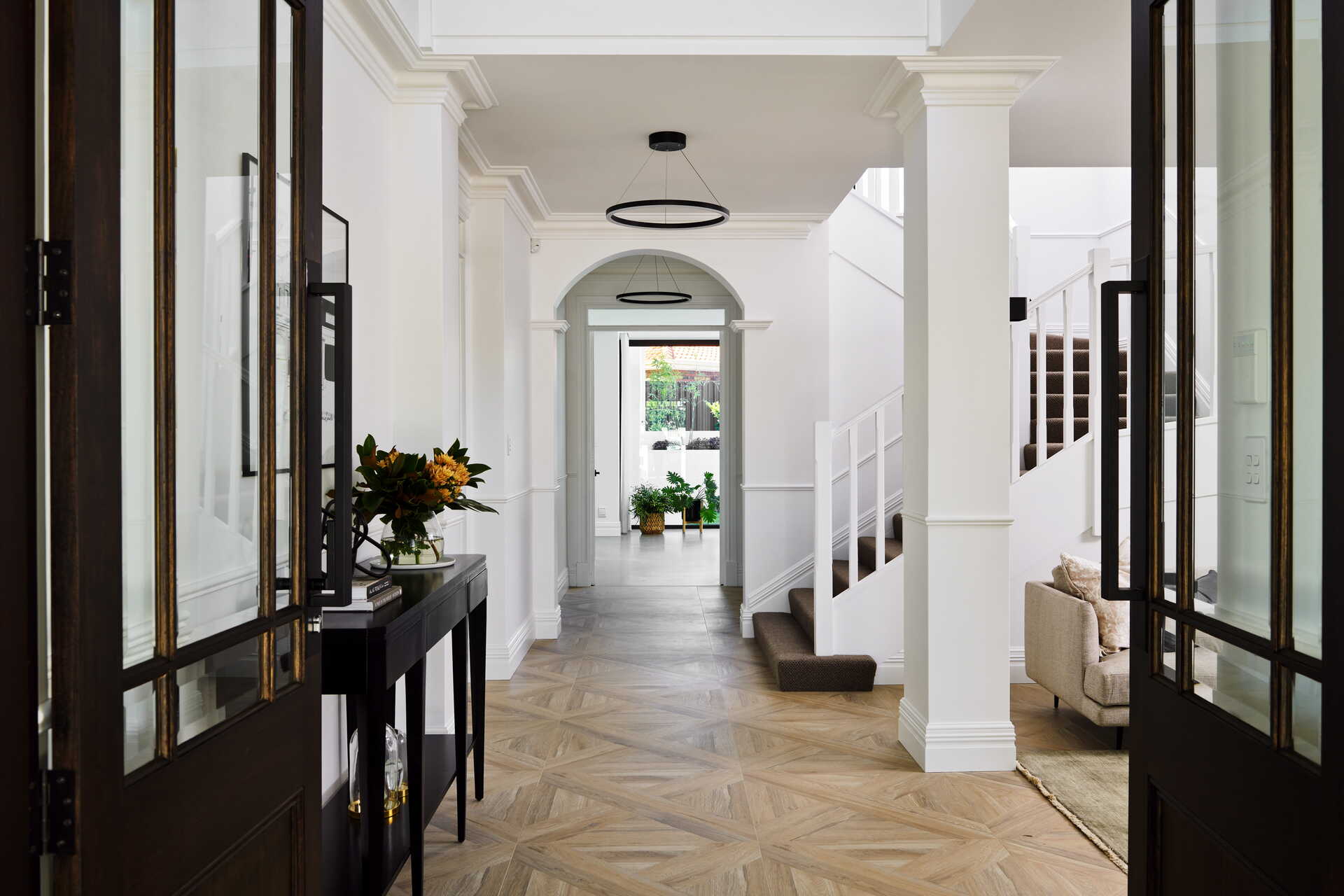
The arrangement of rooms has a significant influence on daily convenience. Kitchens located near dining areas, laundry rooms positioned close to bedrooms, and clear pathways between living spaces minimize unnecessary movement throughout the day.
An efficient floor plan also creates a greater sense of openness without increasing the home’s physical size. Well designed circulation makes every square foot feel purposeful instead of wasted.
Many modern homes succeed because their layouts support how families naturally interact rather than forcing activities into awkward spaces.
Comfort Is More Important Than Trends
Interior trends change frequently, but comfort remains timeless. Furniture should provide proper support, room temperatures should remain consistent, and noise should be effectively managed through thoughtful design choices.
Insulation, ventilation, and acoustic improvements contribute just as much to functionality as visible design features. Comfortable environments encourage relaxation, improve sleep quality, and support healthier lifestyles.
Many discussions featured through australian blog news highlight how homeowners increasingly prioritize practical living over constantly following changing design fashions.
Technology Should Simplify Daily Life
Modern homes often include technology that improves convenience without becoming overwhelming. Smart lighting, programmable thermostats, energy efficient appliances, and home security systems help homeowners manage daily responsibilities more efficiently.
Technology becomes truly valuable when it quietly supports everyday living instead of demanding constant attention or complicated operation.
Similar thinking appears in startup insights australia, where successful innovation focuses on solving real problems through practical solutions rather than unnecessary complexity.
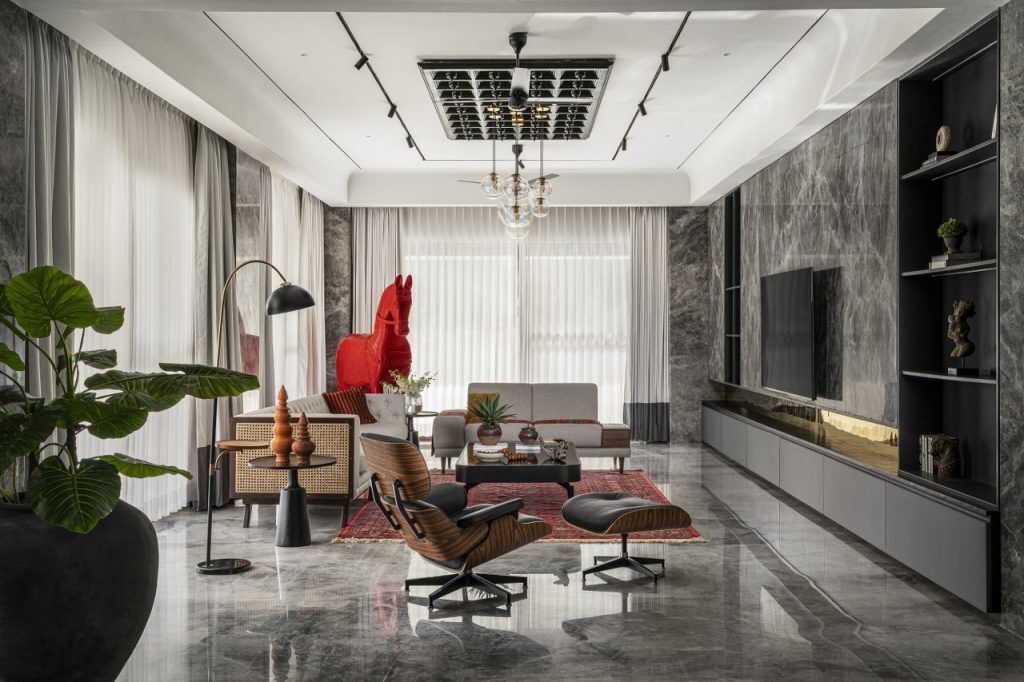
A Functional Home Reflects Personal Priorities
No single design works for every household. Some families require generous entertaining areas, while others value peaceful reading spaces or dedicated hobby rooms.
Functionality comes from aligning the home’s design with the people who live inside it. Personal preferences, future plans, accessibility needs, and lifestyle goals should all influence design decisions.
Even many of the top brands australia recognize that successful products begin with understanding how people actually live and interact with their surroundings.
Conclusion
Decoration enhances a home’s personality, but functionality shapes everyday experiences. Smart storage, adaptable layouts, durable materials, natural lighting, efficient movement, lasting comfort, and practical technology all contribute to spaces that genuinely improve daily life. When homes are designed around real needs instead of temporary trends, they become places that continue delivering comfort, convenience, and lasting value for many years.