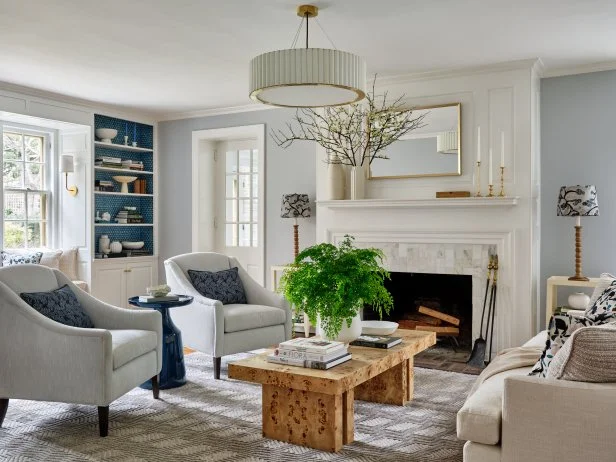
A beautiful home is easy to admire, but a meaningful home is something you feel. The most memorable spaces are not just visually appealing. They create comfort, warmth, and a sense of belonging. Designing for emotion means going beyond aesthetics and focusing on how a space supports daily life, moods, and personal experiences. It is about creating an environment that feels right the moment you step inside.
The Connection Between Space and Emotion
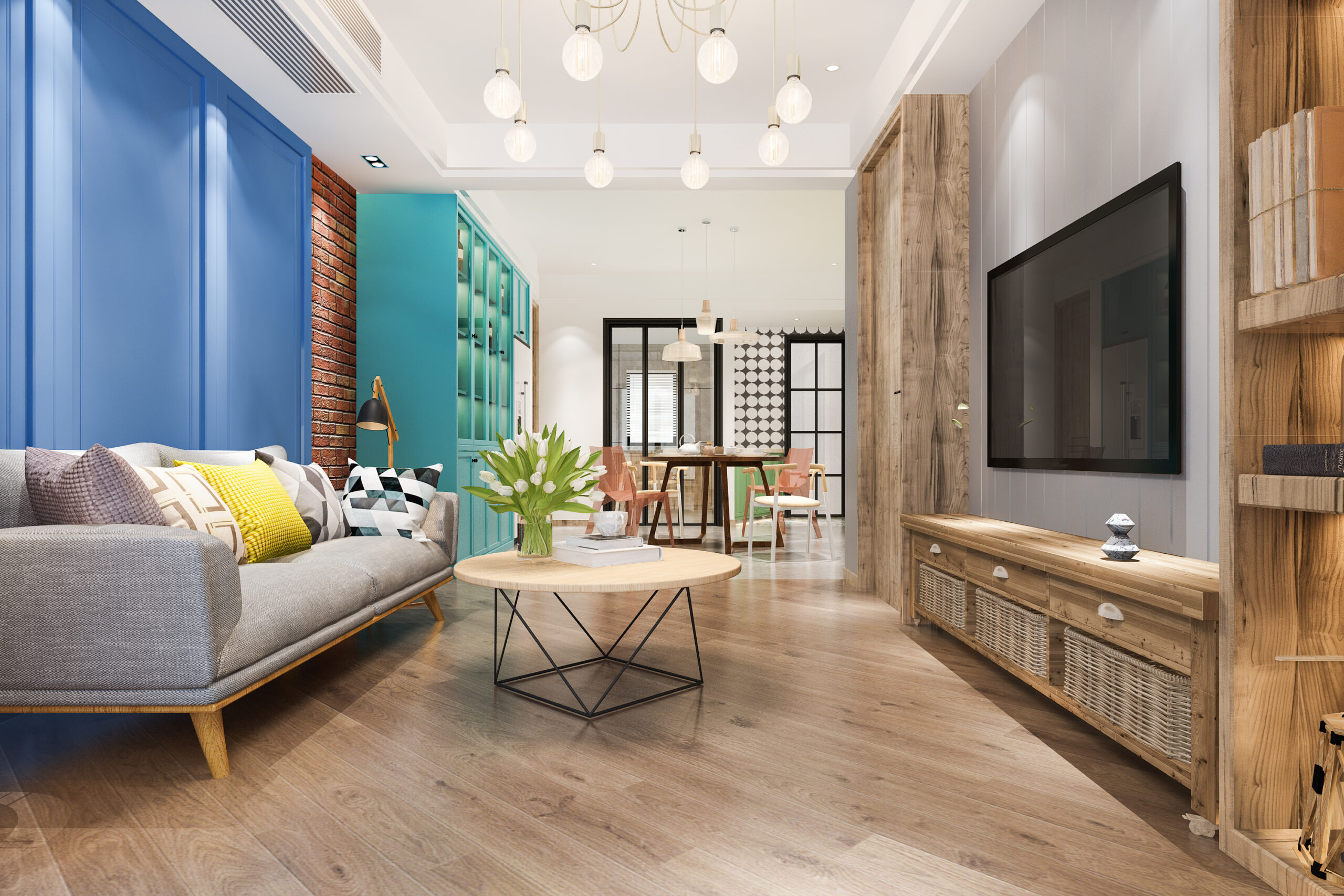
Every design choice influences how we feel. Colors, textures, lighting, and layout all play a role in shaping emotions. soft lighting can make a room feel calm and inviting, while natural light can energize and uplift. Similarly, warm tones often create coziness, while cooler shades promote relaxation.
A well designed home aligns with the emotional needs of its residents. It is not about following trends but about understanding what makes you feel comfortable. Just like exploring creative content on platforms such as punsdictionary.com can spark joy through humor, your home should evoke positive feelings through thoughtful design.
Personalization Brings Meaning
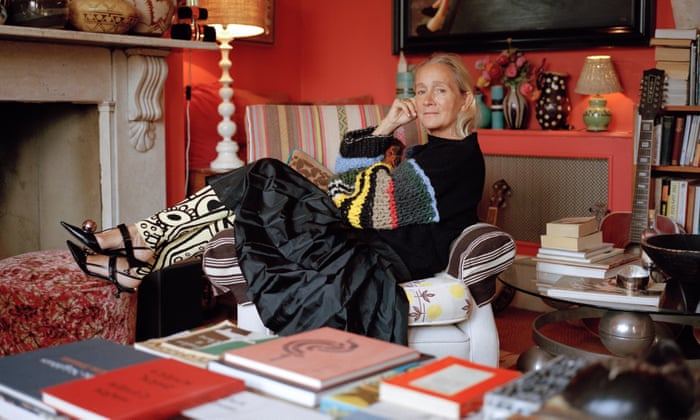
A home that reflects your personality always feels more authentic. Personal items like photographs, travel souvenirs, or handmade decor add emotional value. These elements tell your story and make your space uniquely yours.
Instead of copying a showroom style, focus on what resonates with you. Even small touches like a favorite reading corner or a wall filled with memories can create a deep emotional connection. Designing for emotion means making space for who you are, not just what looks good.

The Role of Layout and Flow
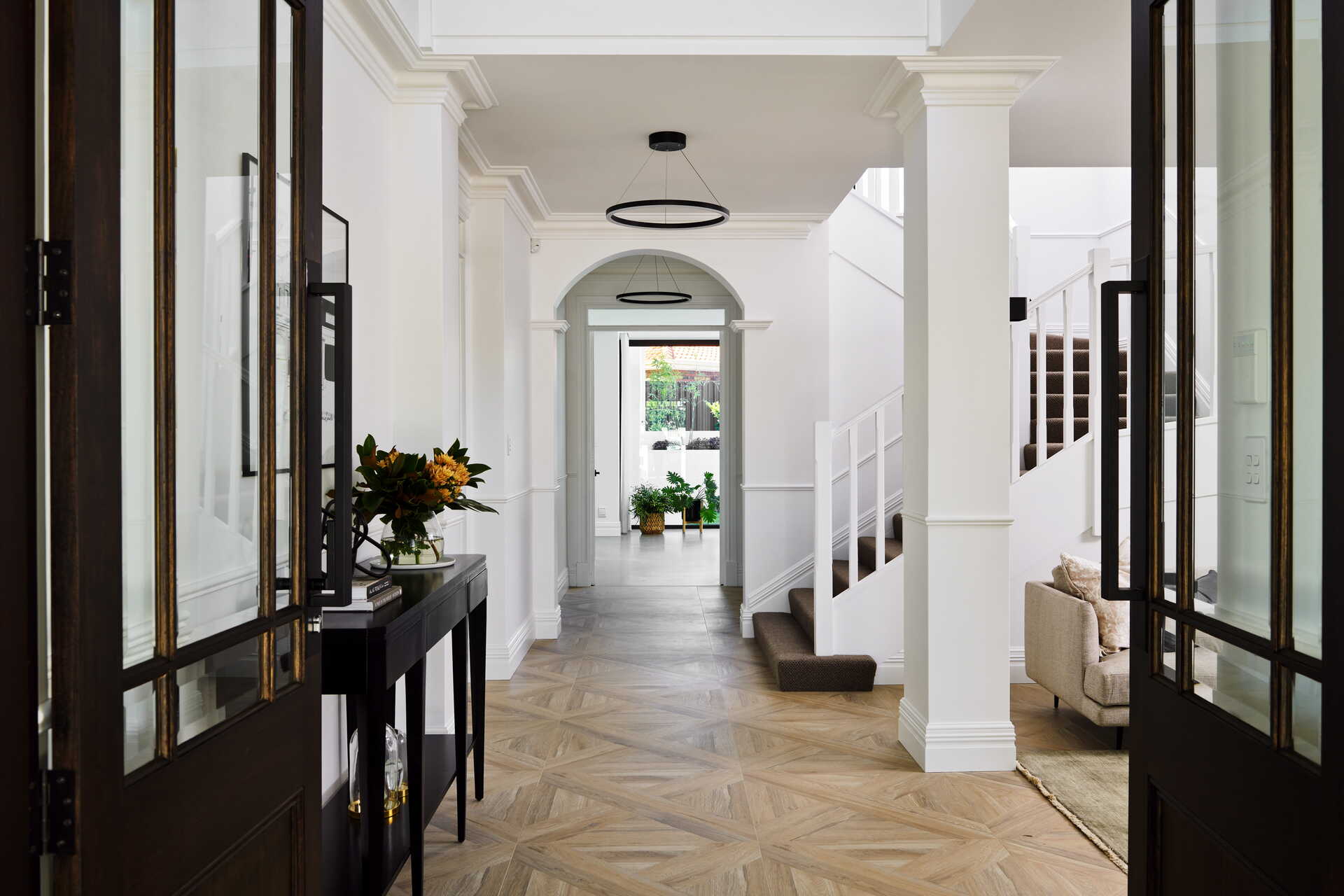
The way a home is arranged affects how people interact with it. Open spaces encourage connection and conversation, while private areas allow for relaxation and solitude. A balanced layout ensures that every room serves a purpose.
Clutter disrupts emotional comfort. Organized spaces help the mind feel clear and focused. Visual inspiration from platforms like imagesplanet.com can help you explore layouts that combine both functionality and emotional comfort, making it easier to create a harmonious environment.
Comfort as a Priority
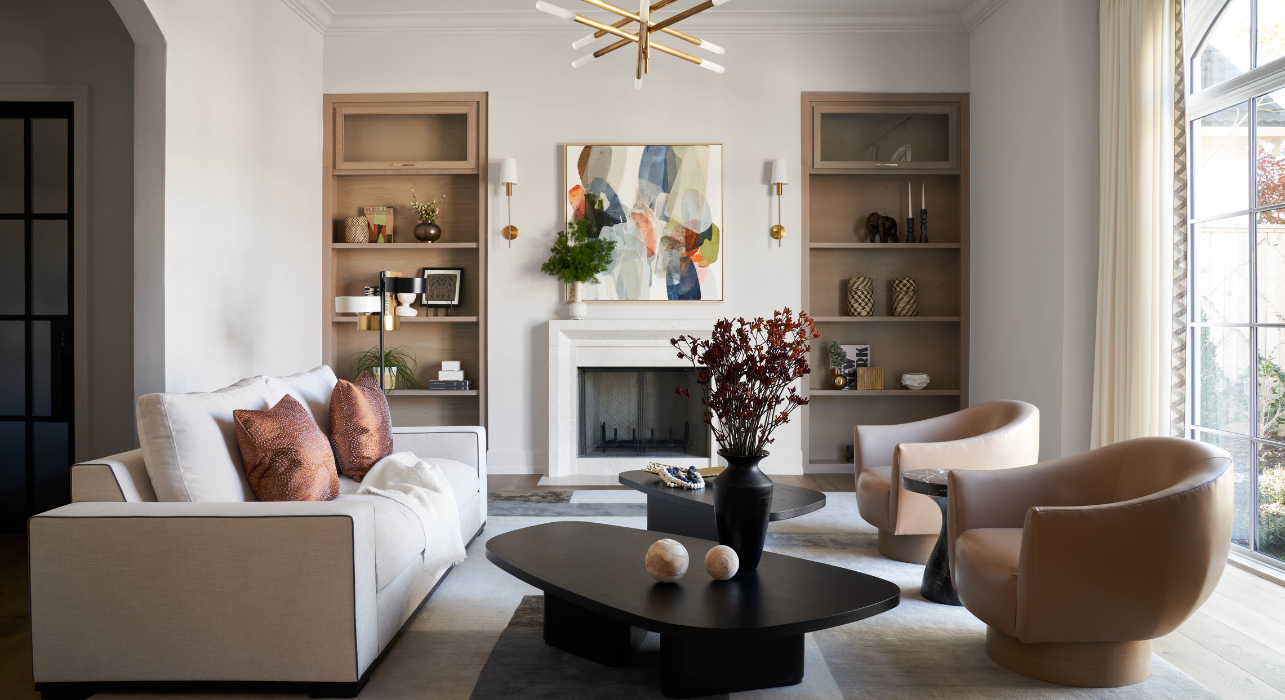
Comfort is at the heart of emotional design. Furniture should not only look good but also feel inviting. Soft fabrics, supportive seating, and cozy textures create a welcoming atmosphere.
Temperature, sound, and lighting also contribute to comfort. A quiet corner with soft lighting can become a personal retreat, while a well ventilated room enhances relaxation. These details may seem small, but they significantly impact how a space feels.
Creating Spaces for Connection
Homes are not just for individuals. They are places where relationships grow. Designing areas that encourage interaction strengthens emotional bonds. Dining spaces, living rooms, and even kitchens can become gathering points for shared experiences.
The growing popularity of women cricket highlights how shared interests bring people together. Similarly, a home designed for connection fosters moments of togetherness, whether through conversations, celebrations, or simple daily routines.
Emotional Balance Through Design
A home should support both activity and rest. Busy areas like kitchens and workspaces need energy and functionality, while bedrooms and relaxation zones should promote calmness.
Balancing these elements creates emotional harmony. Too much stimulation can feel overwhelming, while too little can feel dull. Thoughtful design ensures that each space serves its purpose without affecting the overall mood of the home.
The Influence of Nature
Bringing natural elements into your home can have a powerful emotional impact. Plants, natural light, and earthy materials create a sense of calm and connection to the outdoors.
Even small additions like indoor plants or wooden textures can make a difference. Nature inspired design reduces stress and enhances well being, making the home feel more peaceful and grounded.
Functionality Enhances Emotional Comfort
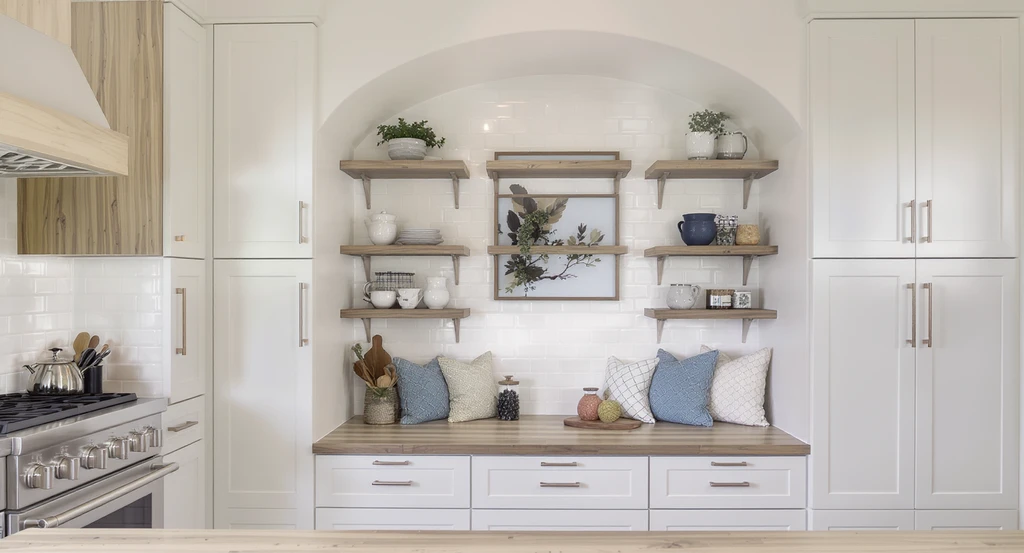
A home that works smoothly reduces daily stress. Practical storage, easy movement, and efficient layouts contribute to a positive living experience. When things are easy to find and spaces are easy to use, it creates a sense of control and comfort.
Digital convenience also plays a role in modern homes. Just as services like seva sindhu portal simplify access to essential resources, a well organized home simplifies daily routines, making life more manageable and less stressful.
Technology and Modern Living
Technology has become an integral part of home design. Smart lighting, temperature control, and automated systems enhance both convenience and comfort. These features allow homeowners to create personalized environments that match their mood and preferences.
In the same way that coyyn.com digital banking simplifies financial management, smart home systems simplify daily living. The goal is not to rely on technology but to use it as a tool to enhance comfort and emotional well being.
Designing for Long Term Satisfaction
Trends come and go, but emotional design focuses on lasting satisfaction. A home should evolve with its residents. Flexible spaces, adaptable furniture, and timeless elements ensure that the design remains relevant over time.
Investing in quality over quantity also contributes to emotional value. Well made items that last longer create a sense of stability and attachment, making the home feel more meaningful.
Conclusion
Designing for emotion is about creating spaces that support how you live and feel. It goes beyond visual appeal and focuses on comfort, connection, and personal meaning. A home that feels good is one that reflects your personality, supports your lifestyle, and brings a sense of peace. When design is guided by emotion, every room becomes more than just a space. It becomes an experience. By focusing on what truly matters, you can create a home that not only looks beautiful but also feels like the perfect place to be.