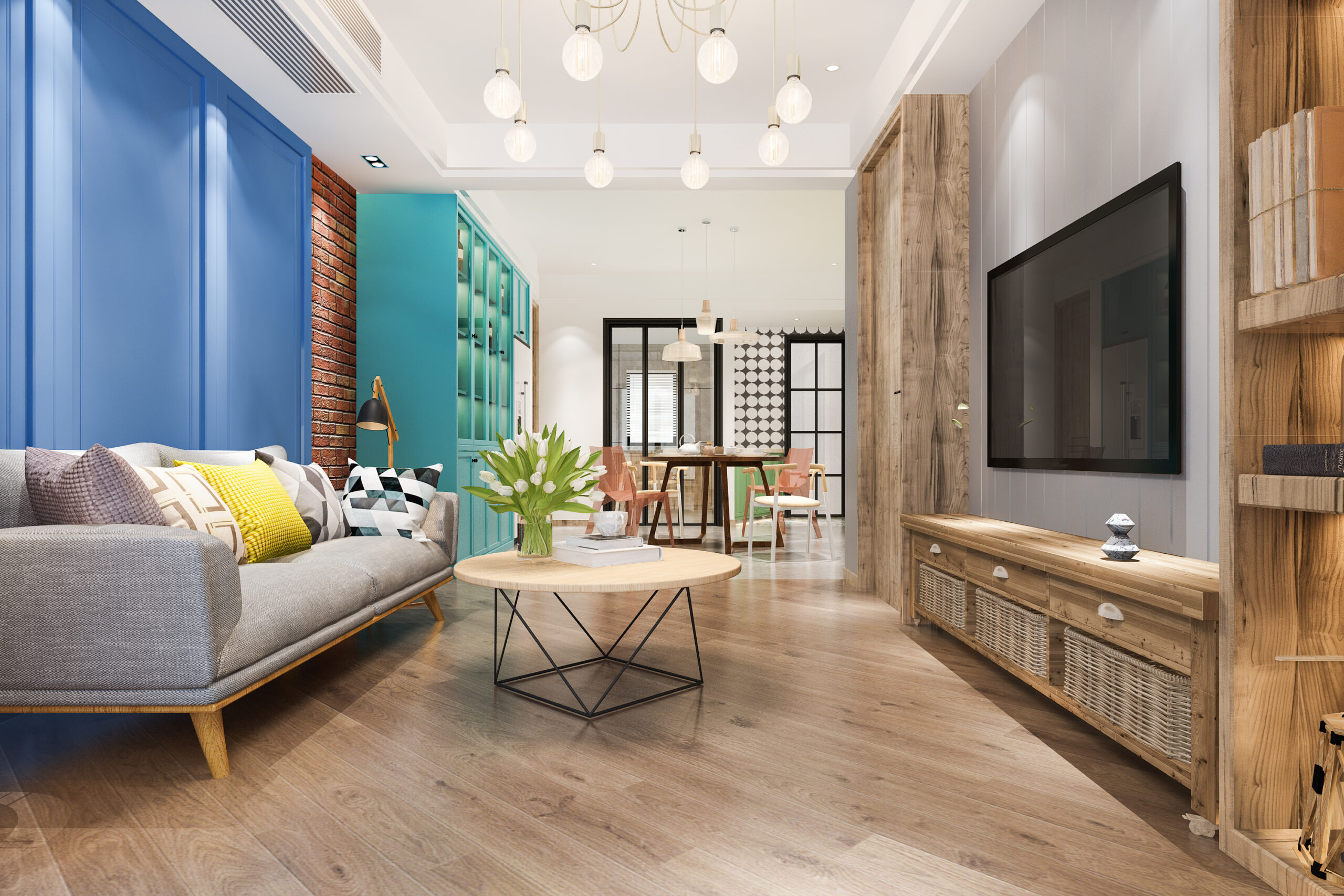
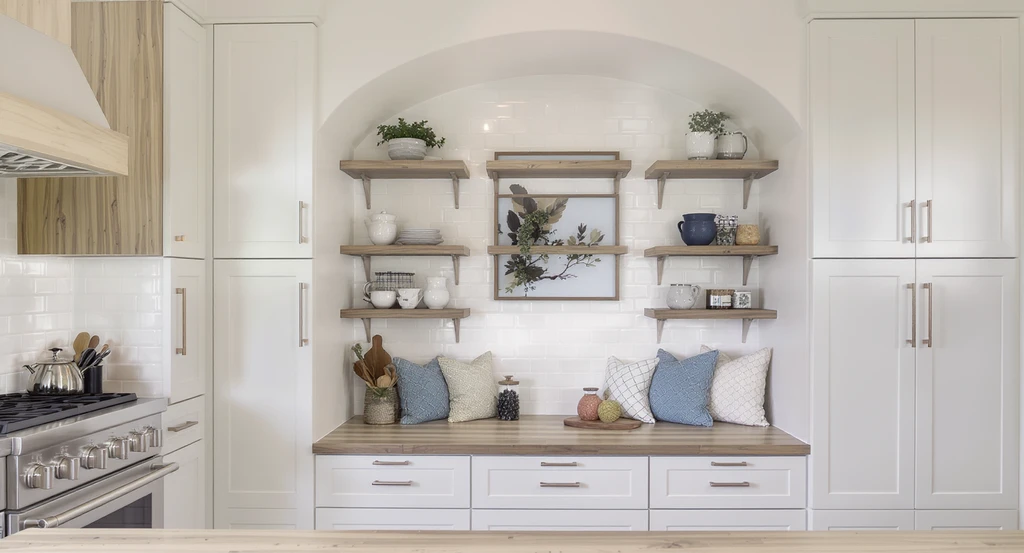
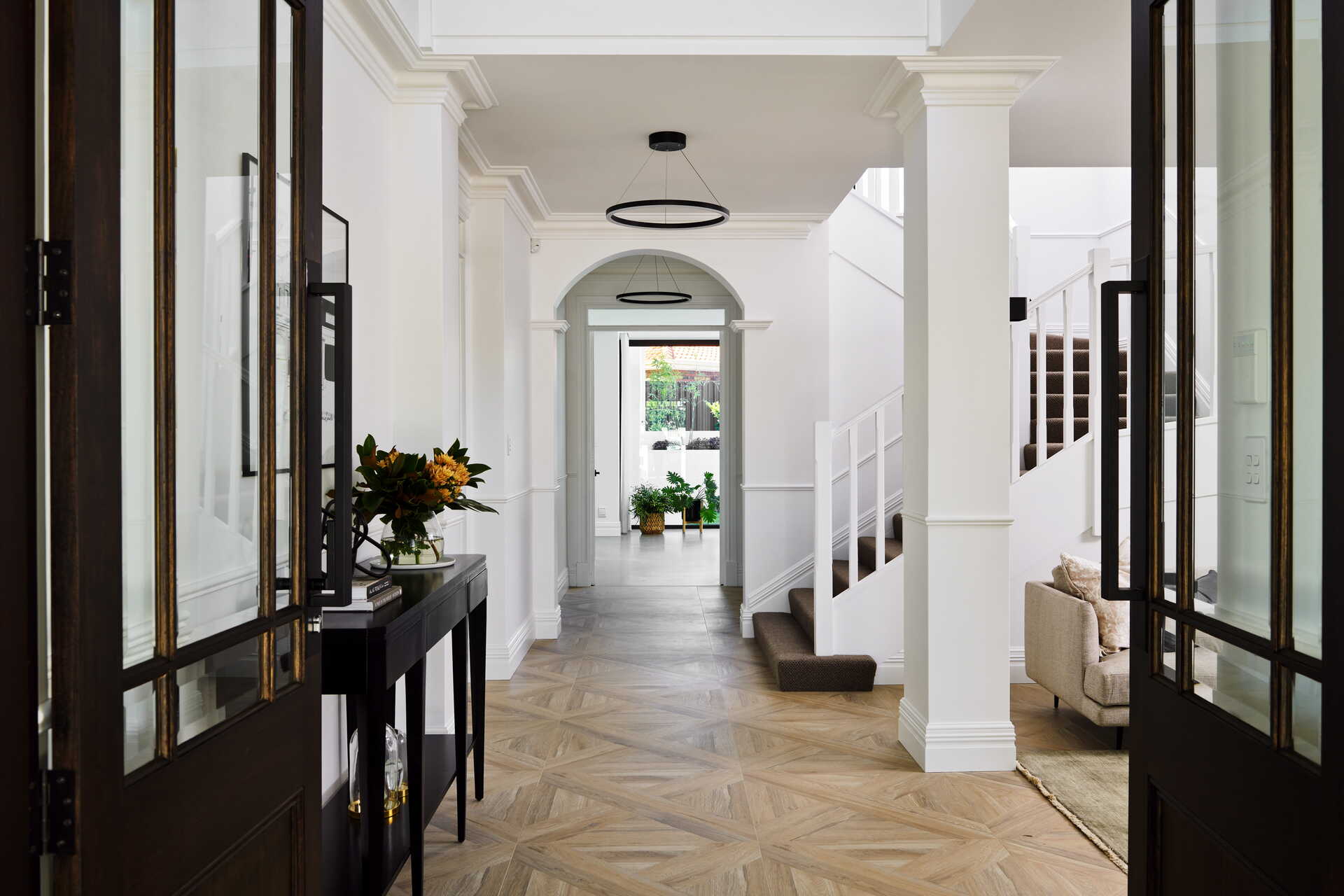
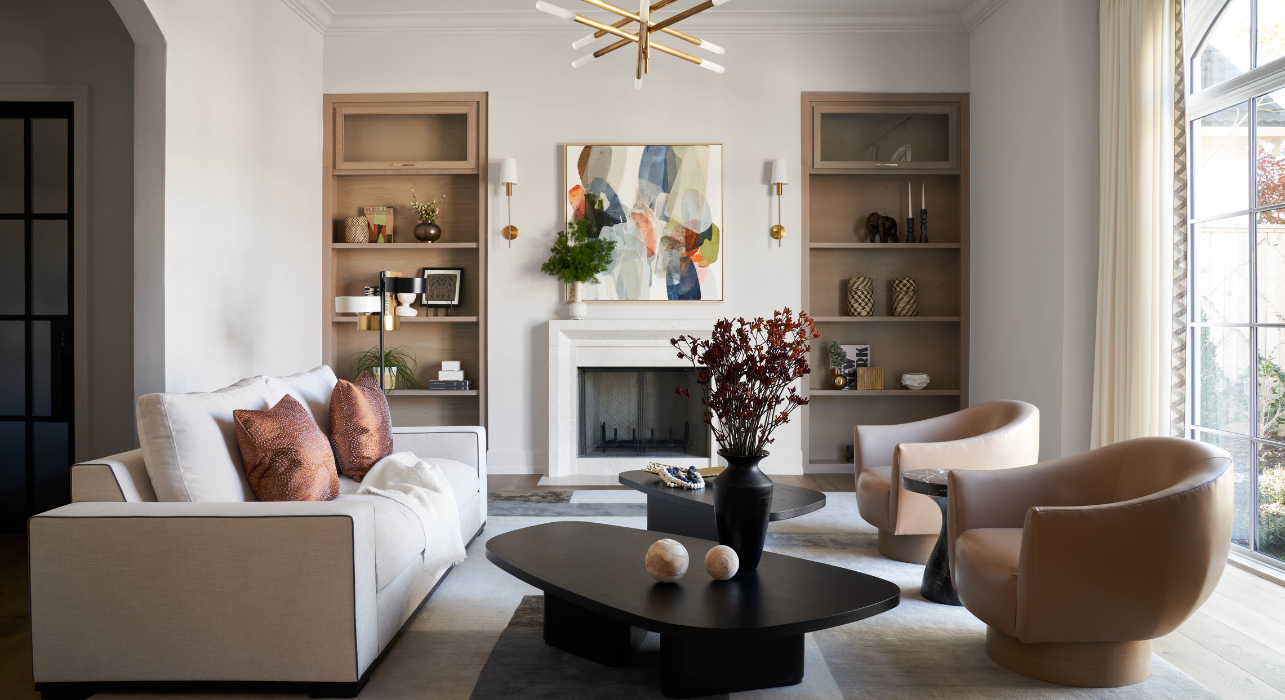
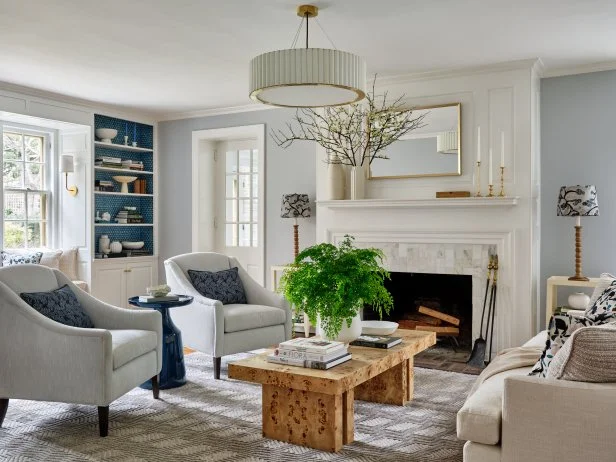
The way a home feels is not only defined by furniture or decor, but by how light and space are used within it. Even simple daily interactions, like browsing something such as rtps 9, can feel more relaxed and enjoyable in a well lit and thoughtfully arranged environment. Light and space have the power to influence mood, productivity, and overall comfort, making them essential elements in transforming everyday living.
The Power Of Natural Light
Natural light is one of the most effective ways to enhance any living space. Sunlight creates warmth, improves mood, and makes rooms appear more open and inviting. Homes that allow light to flow freely often feel more positive and energetic.
Large windows, glass doors, and light colored walls can help maximize the amount of sunlight entering a room. Even small adjustments like repositioning furniture or using sheer curtains can significantly improve how light spreads throughout the home.
A well lit home not only looks better but also feels more welcoming and alive.
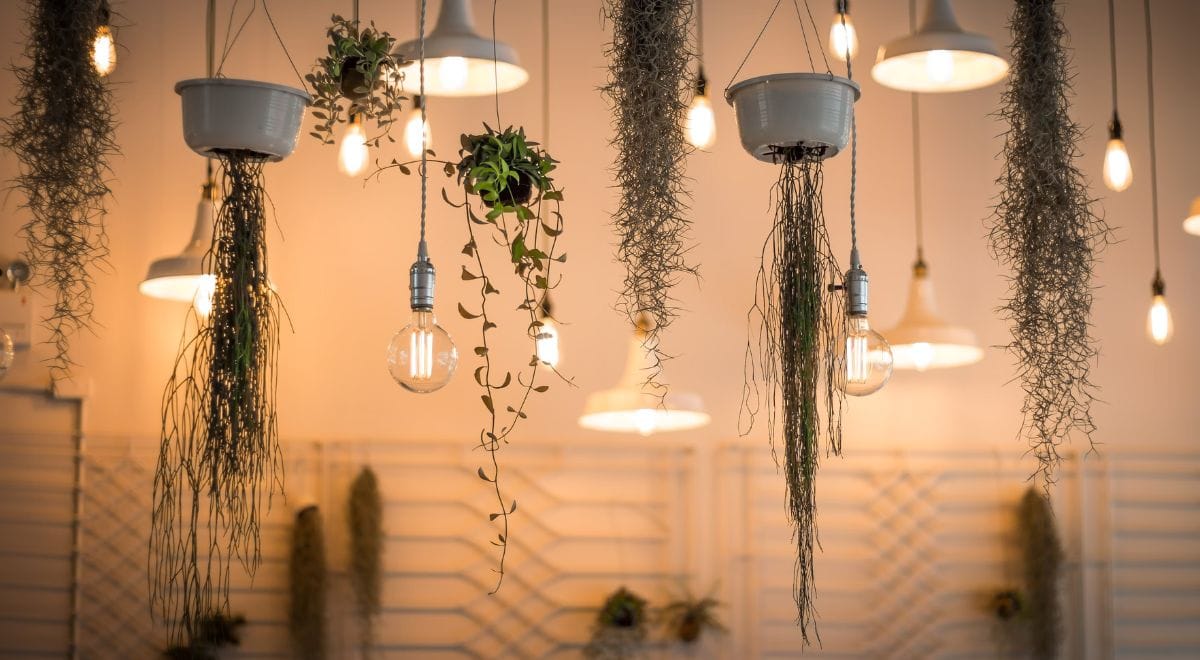
Creating The Illusion Of Space
Space is not always about the size of a home, but how it is perceived. Even smaller homes can feel spacious when designed thoughtfully. Open layouts, minimal clutter, and strategic furniture placement all contribute to a sense of openness.
For instance, engaging in activities like join blooket game in a clutter free living room feels more comfortable and less distracting. When space is organized effectively, it allows for smoother movement and a more relaxed atmosphere.
Mirrors, multi functional furniture, and consistent color schemes are simple ways to create the illusion of a larger space.
The Connection Between Light And Mood
Lighting directly impacts how we feel. Bright, natural light can boost energy and improve focus, while softer lighting creates a calming environment.
Layered lighting, which combines ambient, task, and accent lighting, allows homeowners to adjust the mood of a room based on their needs. A bright workspace encourages productivity, while a softly lit bedroom promotes relaxation.
Thoughtful lighting design ensures that each area of the home serves its purpose effectively.
Enhancing Functionality Through Space
A well planned space improves functionality. Each room should be designed with its purpose in mind, ensuring that movement and usability are not restricted.
Websites like make1mluxury.com often highlight how high end homes prioritize both beauty and functionality. Spacious layouts, clear pathways, and intentional design choices make everyday tasks easier and more enjoyable.
When space is used efficiently, it reduces stress and increases convenience, making daily routines smoother.
Decluttering For Better Living
Clutter is one of the biggest obstacles to both light and space. It blocks natural light, limits movement, and creates a sense of chaos.
Removing unnecessary items instantly makes a home feel larger and brighter. Organized storage solutions help maintain this clarity, ensuring that every item has its place.
A clutter free home not only looks better but also supports mental clarity and relaxation.
Using Design To Maximize Light
Interior design plays a crucial role in enhancing light. Reflective surfaces such as glass, polished wood, and metallic finishes help bounce light around the room.
Light colored walls and ceilings amplify brightness, while strategically placed lighting fixtures ensure even distribution. Open shelving and minimal window coverings allow light to travel freely.
Even small design changes can make a significant difference in how light interacts with a space.
emotional Comfort And Personal Space
A well designed home should also support emotional well being. Open and airy spaces create a sense of freedom, while well lit areas promote positivity.
Exploring creative concepts on platforms like theunsentproject com can feel more inspiring in a calm and open environment. Personal space, combined with good lighting, allows individuals to relax, reflect, and recharge.
Creating areas for both activity and rest ensures a balanced living experience.
The Role Of Balance In Design
Balance is key when working with light and space. Too much brightness can feel harsh, while too little can make a home feel dull. Similarly, overly open spaces may lack coziness, while cramped spaces can feel restrictive.
Achieving the right balance involves understanding how different elements work together. Combining natural light with soft artificial lighting, and open areas with comfortable furnishings, creates harmony within the home.
This balance ensures that the space feels both functional and inviting.
Everyday Living Made Better
Ultimately, the transformation of a home comes down to how it supports everyday life. Whether relaxing, working, or even casually browsing content like dazcfutbol, the environment plays a significant role in shaping the experience.
A home filled with light and thoughtfully designed space enhances comfort, reduces stress, and improves overall quality of life. It turns ordinary routines into enjoyable moments.
Conclusion
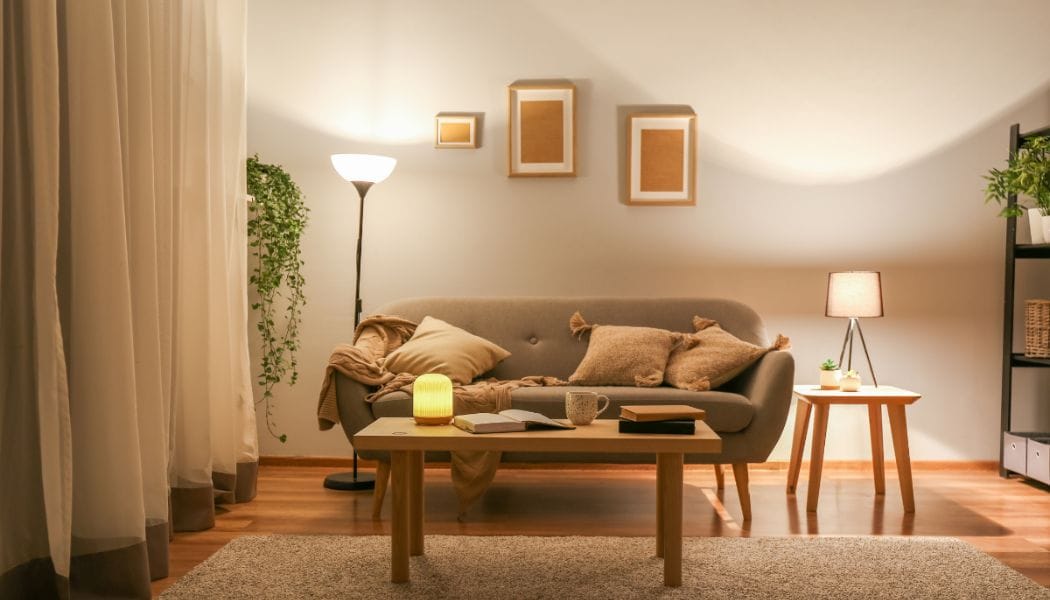
Light and space are powerful tools in home design. They influence how a home looks, feels, and functions. By maximizing natural light, reducing clutter, and using space efficiently, anyone can transform their living environment. A well balanced home not only enhances visual appeal but also supports emotional well being and daily productivity. In the end, it is not about the size of the home, but how effectively light and space are used to create a place that truly feels like home.