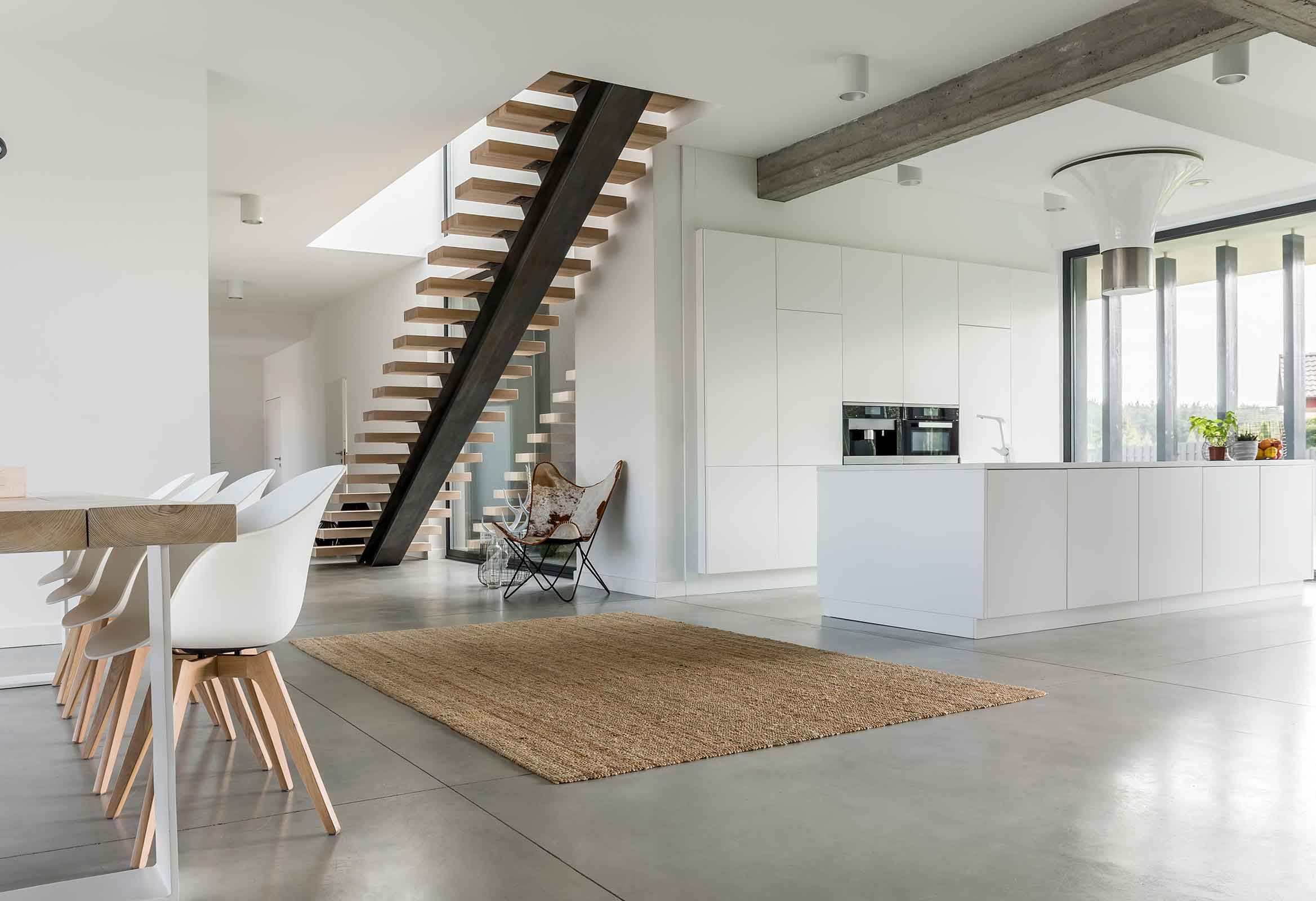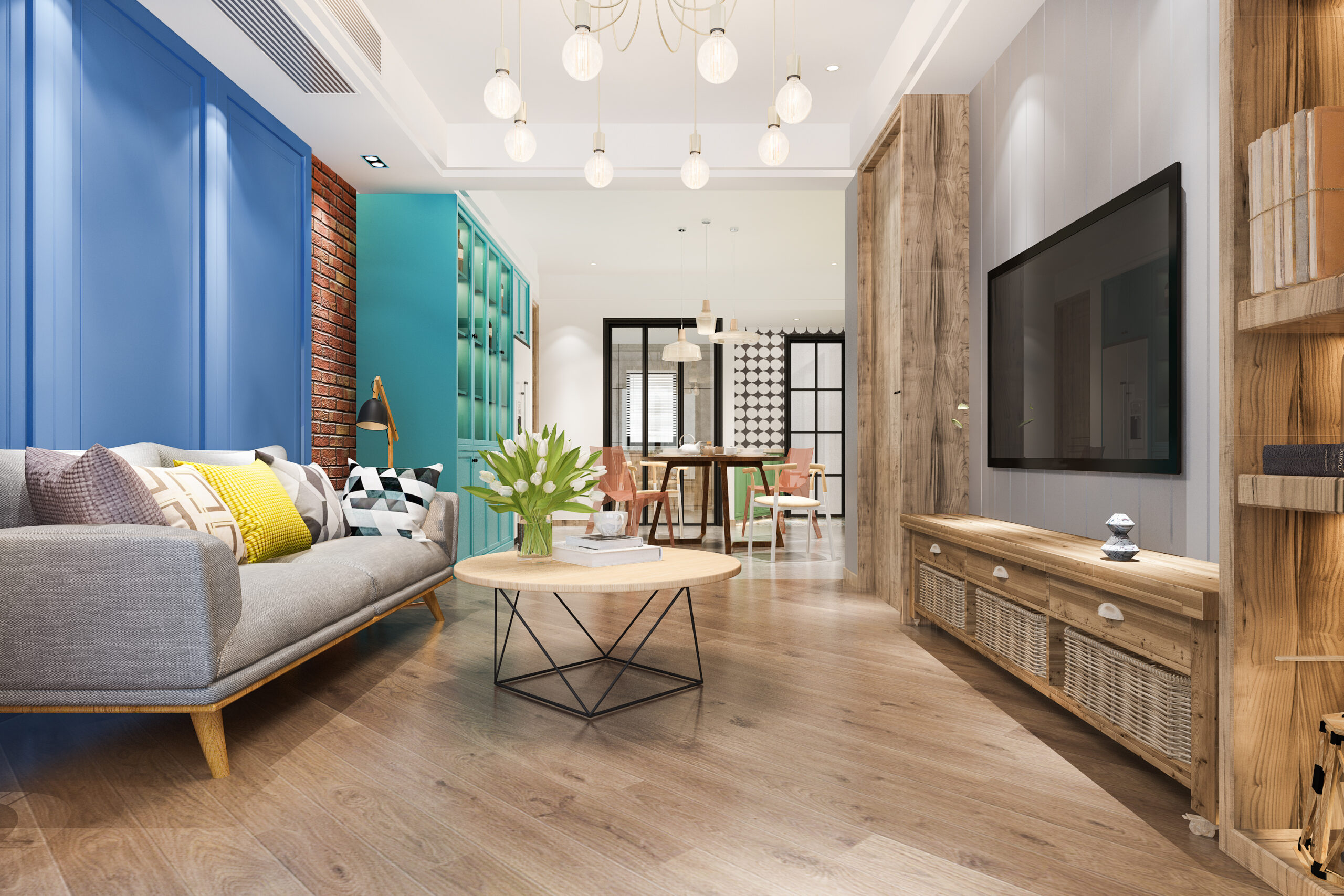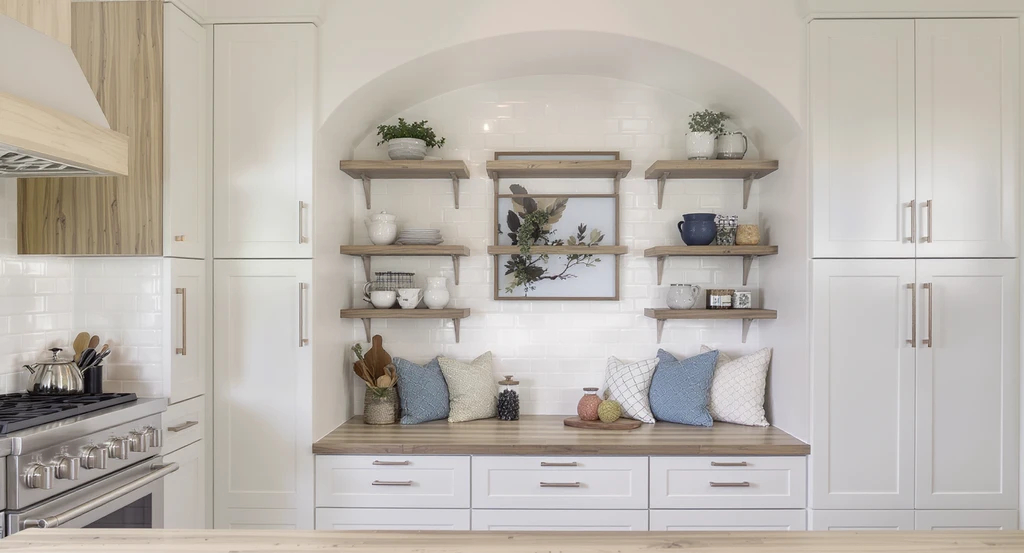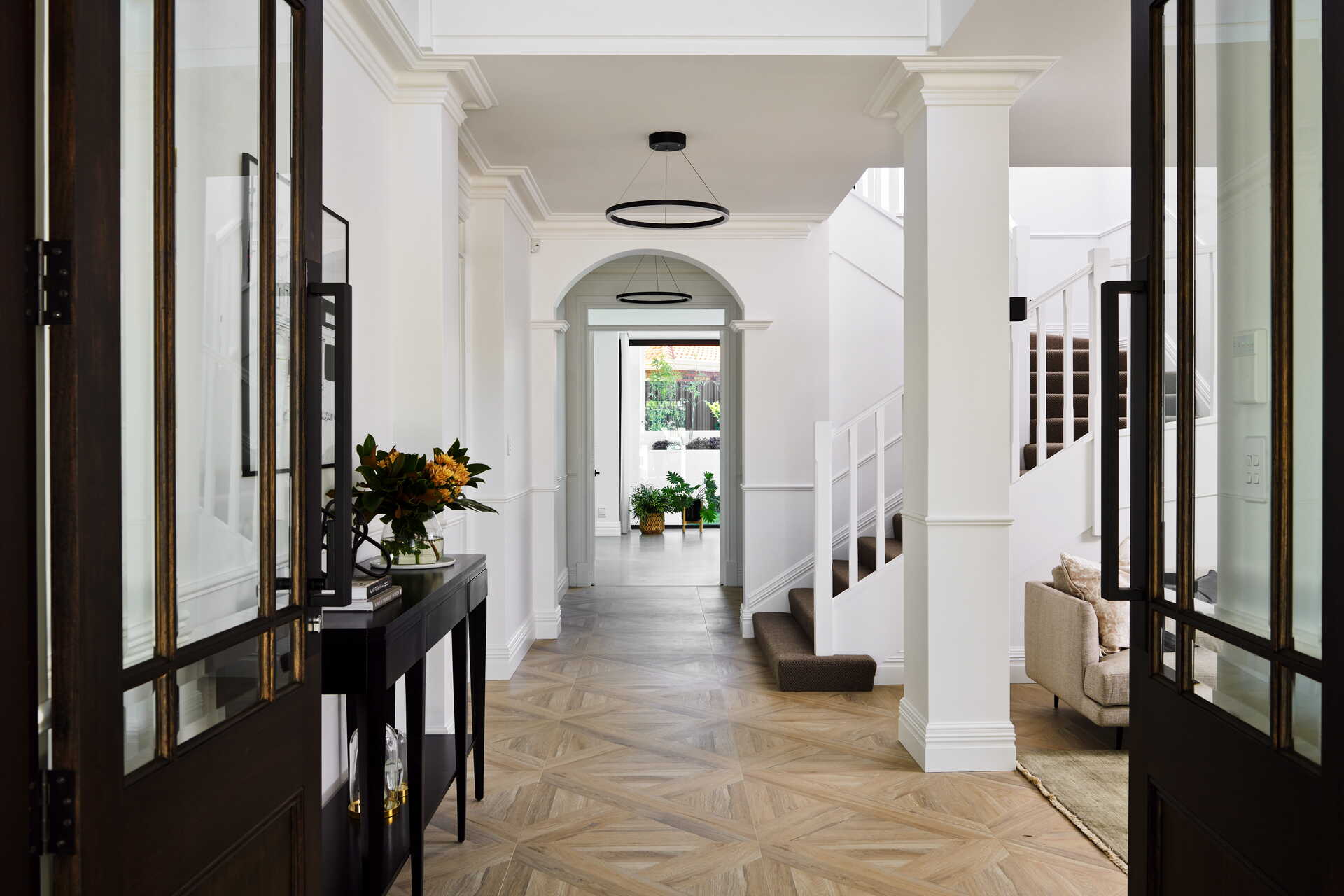
Shared living spaces have to accommodate different personalities, routines, preferences, and activities within the same environment. A living room might serve as a conversation area in the evening, a quiet reading space in the afternoon, and an informal workspace during the day. Comfort in such spaces rarely depends on one dramatic design feature. More often, it develops through small decisions that make the room easier and more pleasant for everyone to use.
Creating Comfortable Personal Boundaries
People sharing a home still need a sense of personal space. This does not necessarily require separate rooms or physical walls. Furniture placement can create subtle boundaries without making an area feel divided.
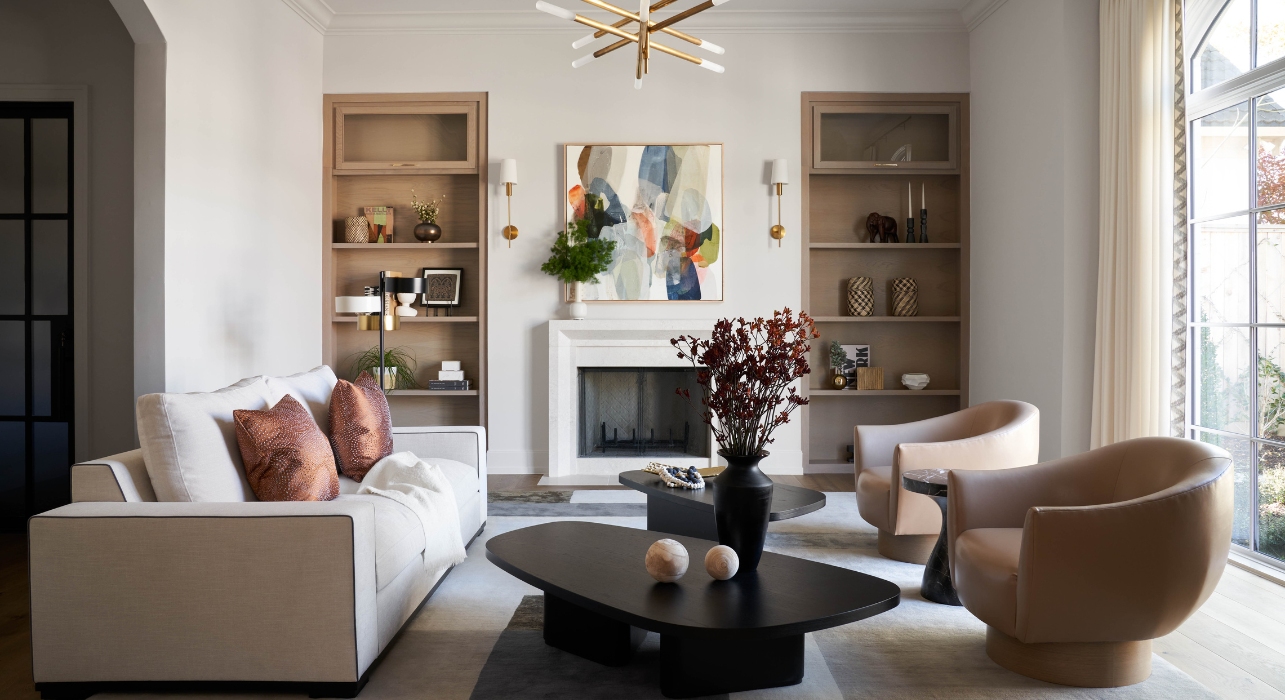
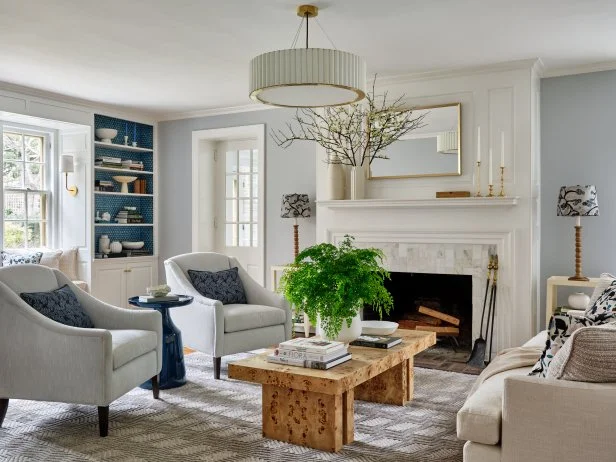
A reading chair positioned beside a window can establish a quiet corner, while a sofa and several chairs arranged around a central table can create a social zone. Rugs, lighting, shelves, and plants can also visually distinguish different areas.
This principle of clear organization can be seen in many aspects of everyday life. Digital systems such as hrknl are designed around structured access to information and processes. Within a home, thoughtful organization serves a similar practical purpose by helping people understand where activities naturally belong.

Choosing Furniture That Encourages Flexibility
Fixed layouts can become inconvenient when several people use the same room differently. Flexible furniture makes it easier for a shared space to adapt throughout the day.
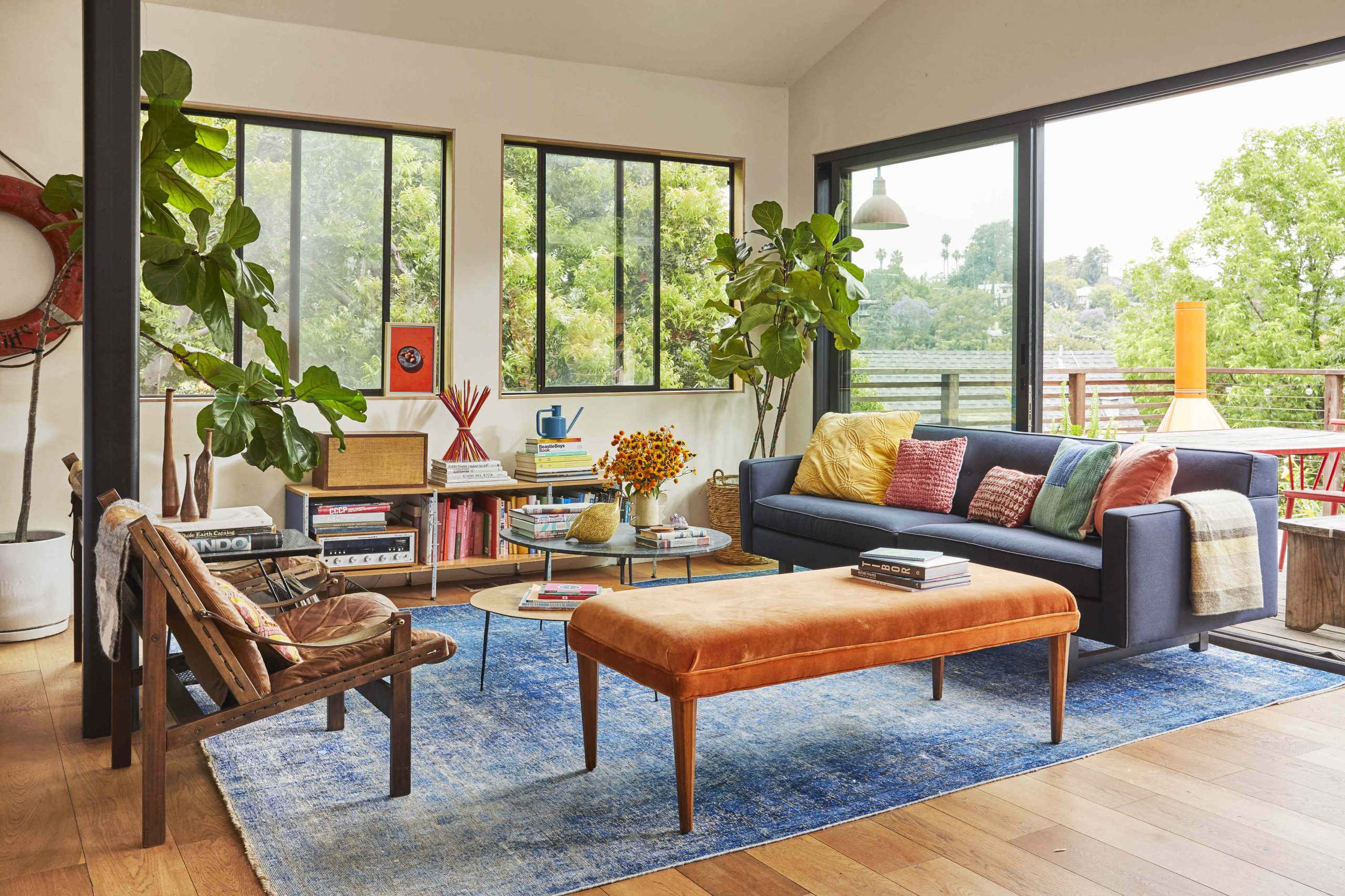
Lightweight chairs can be moved when guests arrive. Nesting tables provide additional surfaces without permanently occupying floor space. Ottomans can function as seating, footrests, or temporary tables. Even a dining table can become a flexible feature when it supports meals, studying, hobbies, and occasional remote work.
The goal is not to fill every available area. Leaving some open space allows people to move furniture and adjust the room according to changing needs.
Keeping Important Information Easy to Find
Comfort is influenced by organization as much as decoration. Shared households often accumulate bills, documents, keys, chargers, letters, and other everyday items. When these objects do not have designated locations, visual clutter quickly develops.
A small drawer near the entrance, labeled document storage, or a dedicated household information area can prevent unnecessary searching. Modern users are already familiar with organized information systems through platforms and resources such as bhumi-jankari, where information is approached through a structured digital environment.
At home, the same basic principle can make shared routines easier. Giving frequently used items predictable locations reduces confusion between household members.
Using Lighting for Different Activities
A single overhead light rarely creates the ideal atmosphere for every person or activity. Layered lighting provides greater flexibility.
Ambient lighting can illuminate the entire room, while floor lamps support reading and table lamps create softer evening illumination. Task lighting is particularly useful when a shared area doubles as a workspace.
Natural light also deserves attention. Heavy furniture should not unnecessarily block windows, especially in rooms where several people spend significant time. Curtains that allow adjustable levels of daylight give residents more control over brightness and privacy.
Similar attention to accessibility is important when people use digital resources such as rajasthan bhu naksha online, where being able to locate and interpret relevant information conveniently contributes to the overall user experience. In physical spaces, good lighting provides that same sense of accessibility.

Reducing Visual Noise Without Removing Personality
Shared spaces can become uncomfortable when every surface competes for attention. This does not mean a room needs to look empty or impersonal. Instead, visual balance can be achieved by choosing a few meaningful decorative elements and allowing some areas to remain simple.
Closed storage is particularly valuable for objects that are necessary but visually distracting. Open shelving can then be reserved for books, photographs, plants, or decorative pieces that residents genuinely enjoy seeing.
This balance allows multiple personalities to exist within the same room without making the environment feel chaotic.
Making Administrative Areas Less Intrusive
Many homes now contain small administrative zones where residents manage paperwork, applications, finances, or online services. Instead of allowing these activities to spread across dining tables and living room surfaces, a compact desk or organized cabinet can keep them contained.
Someone completing a process such as upbocw new registration, for example, may need temporary access to documents and digital information. A designated household work area makes such tasks easier without allowing paperwork to dominate communal areas.
The work zone does not have to resemble a formal office. A narrow desk, comfortable chair, accessible power outlet, and small storage unit may be enough.
Designing Spaces That Support Changing Ambitions
Shared households are rarely static. One resident might start working remotely, another may begin studying, while someone else could pursue a business idea or new professional opportunity. Programs such as cm yuva udyami yojana mp reflect the broader interest many people have in entrepreneurship and independent professional growth.
A home that can accommodate changing ambitions is often more comfortable over the long term. Flexible work surfaces, reliable charging points, movable seating, and accessible storage allow rooms to change purpose without requiring major renovations.
Comfort Comes From Thoughtful Details
A comfortable shared living space does not require expensive furniture or constant remodeling. Small decisions often have the greatest influence. Furniture that can move easily, layered lighting, personal corners, practical storage, controlled visual clutter, and adaptable work areas all help residents use the same environment without constantly interfering with one another.
Successful shared spaces balance togetherness with independence. When a room provides opportunities for conversation while still giving individuals room to focus, relax, or pursue personal activities, it becomes more useful to everyone. Subtle design choices ultimately create comfort by making everyday interactions with the home feel natural rather than forced.