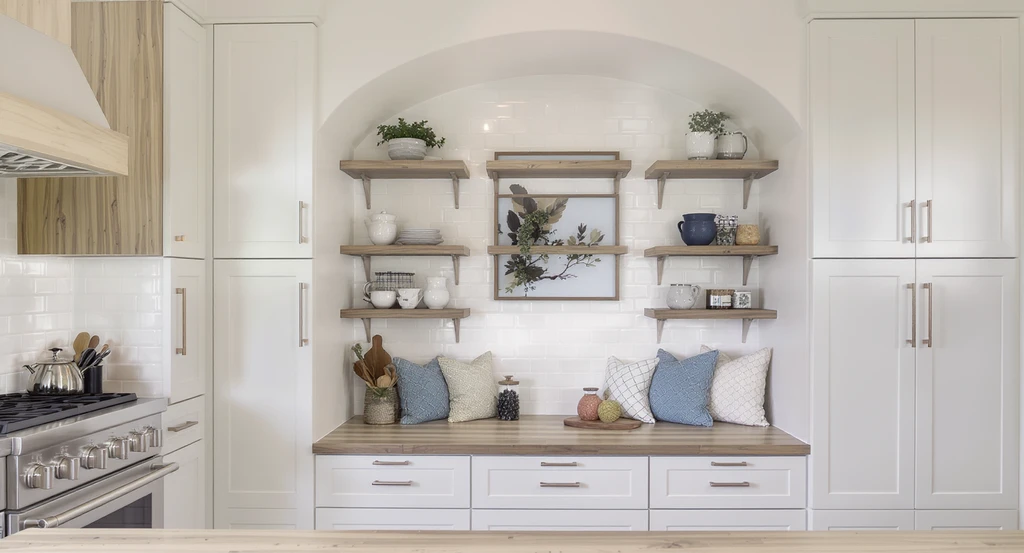
Every home has areas that are often overlooked. A narrow hallway, an empty corner in the living room, the space beneath a staircase, or an unused section of a bedroom can remain neglected for years. These forgotten spots may seem insignificant, but with thoughtful planning they can become valuable additions to daily life. Instead of focusing only on major renovations, homeowners can unlock the hidden potential of existing spaces and make every square foot work harder.
Creating functional spaces is not always about spending more. It is about identifying opportunities where others see limitations. With creativity and careful organization, even the smallest corners can become practical, attractive, and enjoyable parts of a home.
Looking Beyond Empty Spaces
Unused corners often develop because they lack a defined purpose. Rather than leaving them empty, consider how they could support everyday activities. A quiet reading nook, a compact workstation, or a small indoor garden can completely change the character of an unused area.
Many homeowners find inspiration through lifestyle publications and design features that showcase creative ideas. Reading pop culture news Australia can also reveal how celebrities and designers transform compact living spaces into stylish, multifunctional environments. These examples demonstrate that good design depends more on imagination than square footage.
Creating Purpose With Everyday Needs
The most successful home improvements solve real problems. Before redesigning an unused area, think about what your household needs most.
Perhaps family members need a dedicated charging station for devices. Maybe children require a homework corner, or hobbies need an organized workspace. Matching an empty space to a daily activity ensures it becomes a valuable part of the home rather than simply another decorative feature.
Even a small alcove can become a coffee station, a pet care area, or a place to store frequently used items. When every space serves a purpose, the home feels more organized and efficient.
Designing Around Practical Storage
Storage remains one of the biggest challenges in many homes. Instead of purchasing additional furniture, overlooked corners can provide excellent storage opportunities.
Custom shelving, floating cabinets, and built in benches help maximize vertical space while maintaining a clean appearance. Attractive baskets and storage containers also make it easier to organize everyday belongings without creating visual clutter.
Many Australian service providers specializing in interior design and home improvement recommend tailoring storage solutions to each home’s layout rather than relying on one size fits all products. Customized solutions often create better functionality while preserving the character of the space.
Transforming Small Spaces Into Personal Retreats
Not every functional space needs to be dedicated to work or storage. Sometimes the greatest value comes from creating an area that encourages relaxation.
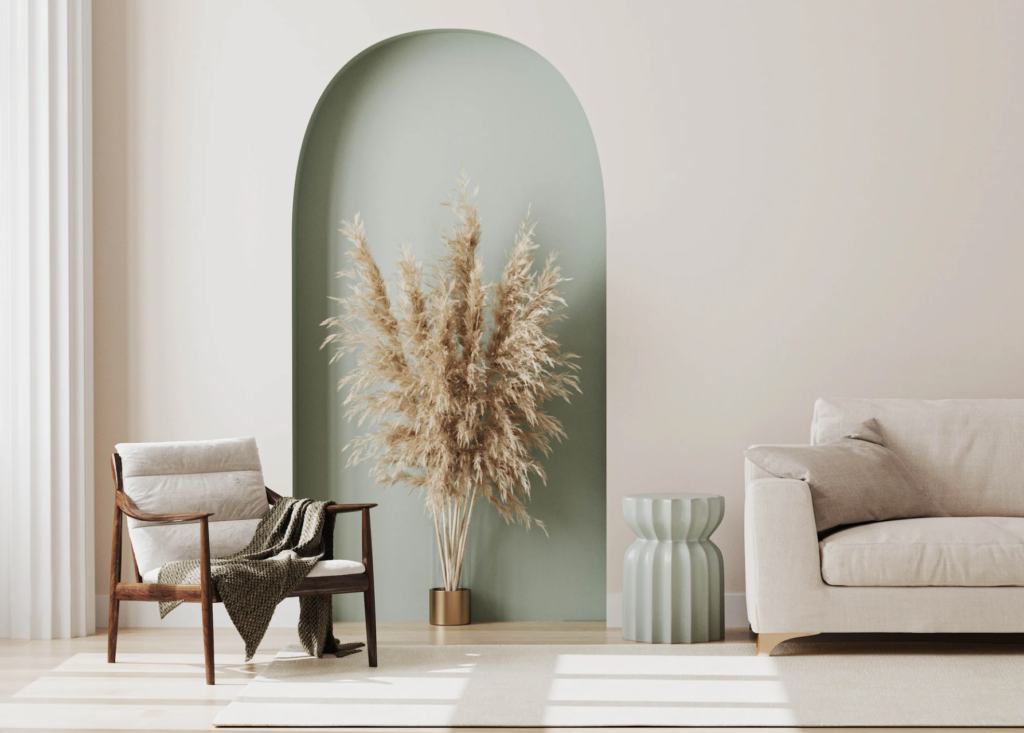
A comfortable chair beside a window, soft lighting, and a small bookshelf can turn an empty corner into a peaceful retreat. Adding indoor plants, artwork, or calming colors further enhances the atmosphere without requiring major renovations.
These personal spaces encourage people to slow down, read, reflect, or simply enjoy a few quiet moments away from busy schedules.
Making Multifunctional Design A Priority
Modern homes benefit from flexibility. One area can perform several roles throughout the day with thoughtful planning.
A dining corner may double as a remote work area. A hallway niche can become both decorative storage and a charging station. Guest bedrooms can include fold away desks that create productive workspaces when visitors are not present.
Many design ideas featured in Melbourne digital magazine highlight how adaptable interiors make homes more practical while maintaining visual appeal. Multifunctional furniture and smart layouts allow homeowners to use every available space more effectively.
Bringing Character To Forgotten Areas
Small spaces provide an excellent opportunity to express personality without overwhelming the overall design.
Accent walls, decorative lighting, framed photographs, unique shelving, or handcrafted accessories can transform overlooked corners into memorable focal points. These design touches create visual interest while reinforcing the home’s overall style.
Rather than treating these spaces as afterthoughts, homeowners can use them to showcase creativity and make interiors feel more welcoming.
Connecting Interior Design With Everyday Living
Successful homes reflect the lifestyles of the people who live in them. Functional spaces should support routines rather than interrupt them.
A family entrance may benefit from seating and shoe storage. A kitchen corner can become an organized meal planning station. A bedroom alcove may serve as a peaceful reading area before bedtime.
Articles published by an Australia city life blog often demonstrate how urban living encourages homeowners to maximize every available space through thoughtful planning. Whether living in a compact apartment or a spacious house, purposeful design makes everyday activities more convenient.
Thinking Long Term Instead Of Following Trends
Home improvements should continue delivering value for years rather than simply following temporary design trends.
Neutral colors, durable materials, flexible furniture, and adaptable layouts allow spaces to evolve alongside changing family needs. As lifestyles change, these functional corners can easily take on new purposes without requiring expensive remodeling.
Designing with longevity in mind creates better investments and reduces unnecessary future updates.
Conclusion
Every home contains overlooked spaces waiting to become something meaningful. By recognizing their potential, homeowners can improve organization, comfort, productivity, and overall enjoyment without expanding their homes. Thoughtful planning allows forgotten corners to become reading retreats, efficient workstations, practical storage solutions, or welcoming gathering spots. These improvements demonstrate that successful home design is not measured by size but by purpose. As Australian daily life continues to evolve with changing lifestyles and household needs, making better use of every corner remains one of the most practical ways to create a home that is both beautiful and highly functional.