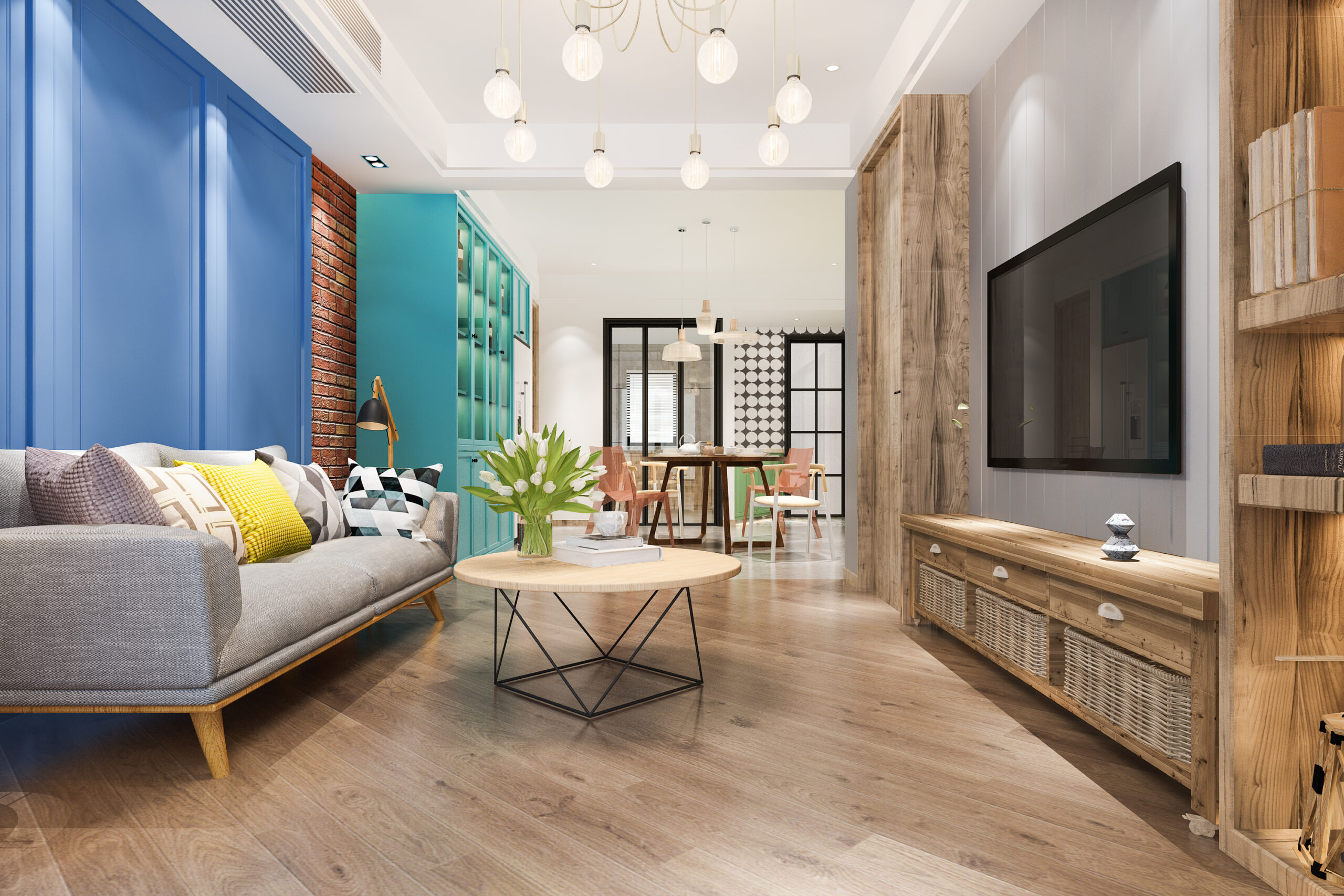
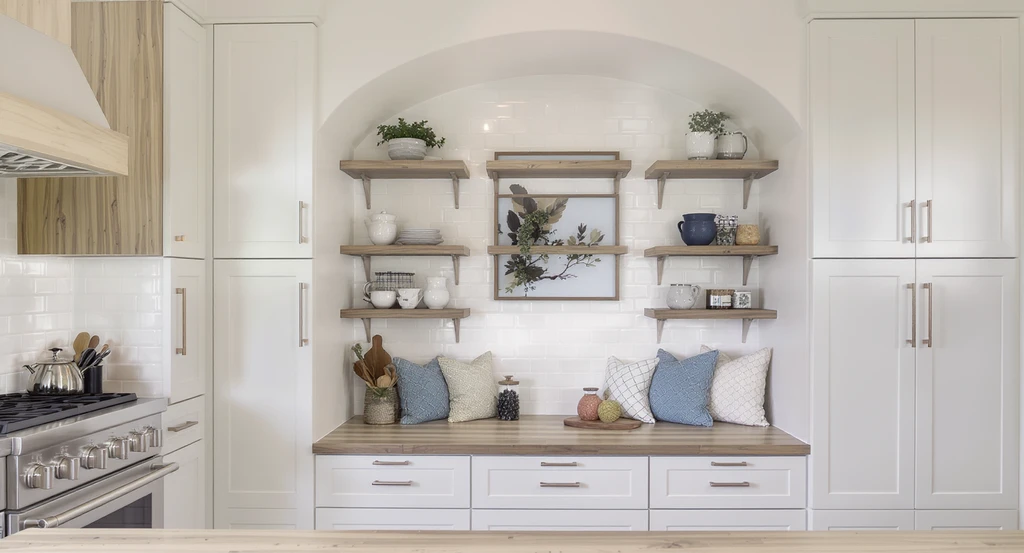
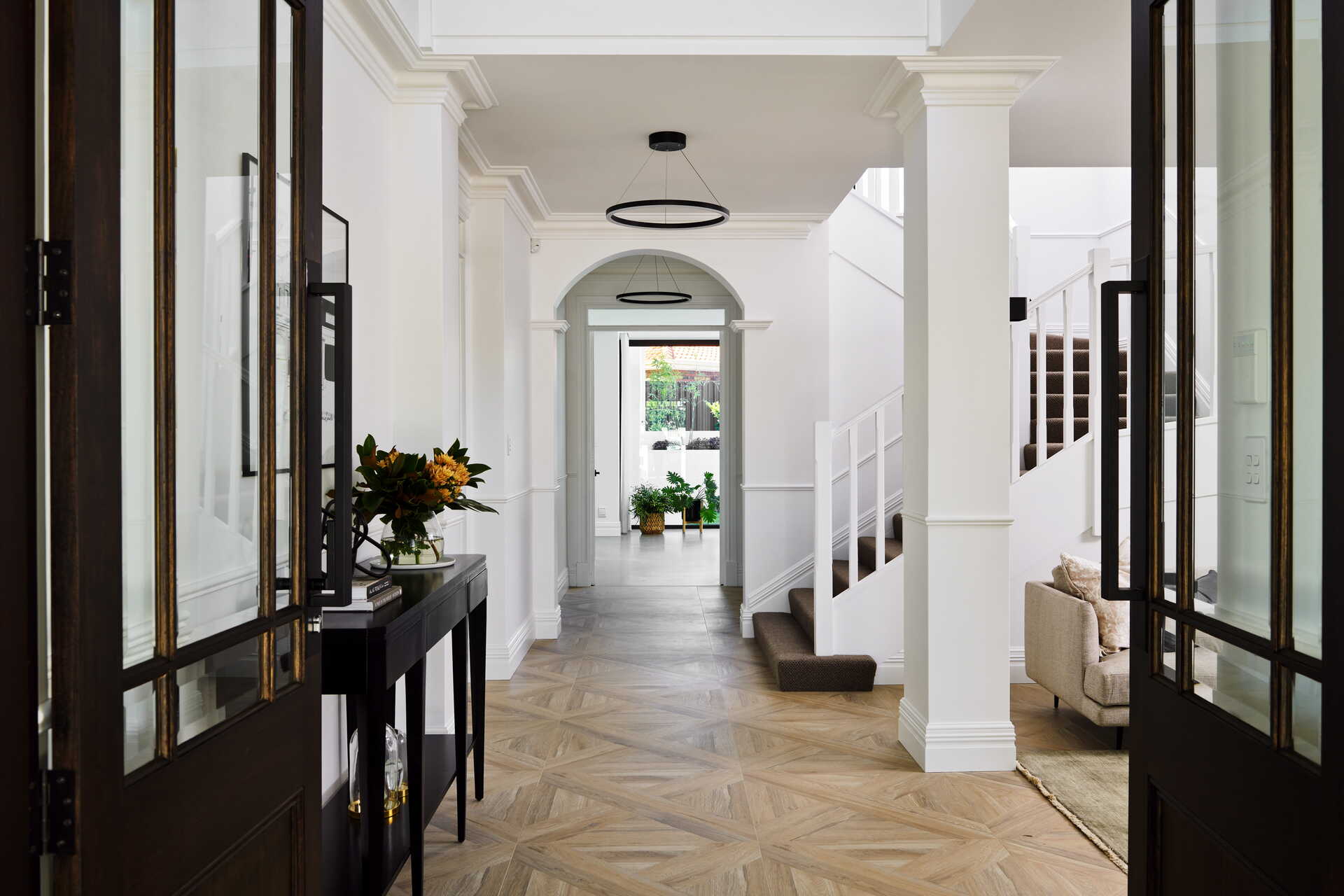
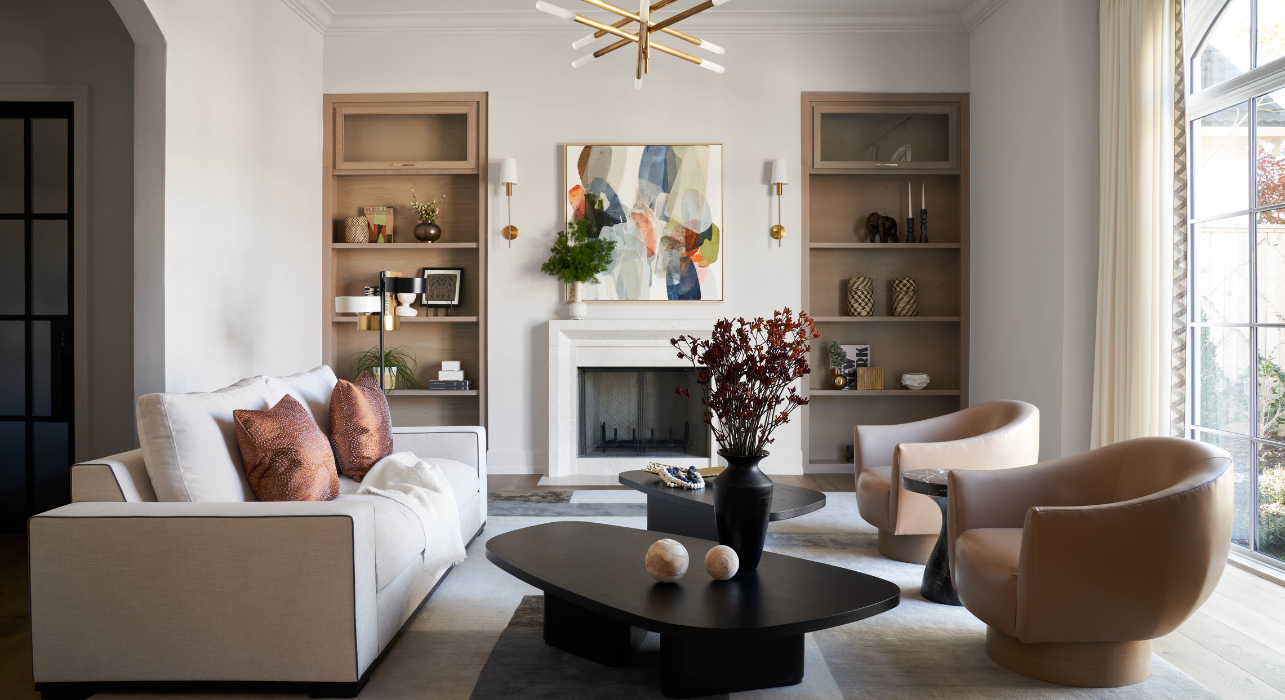
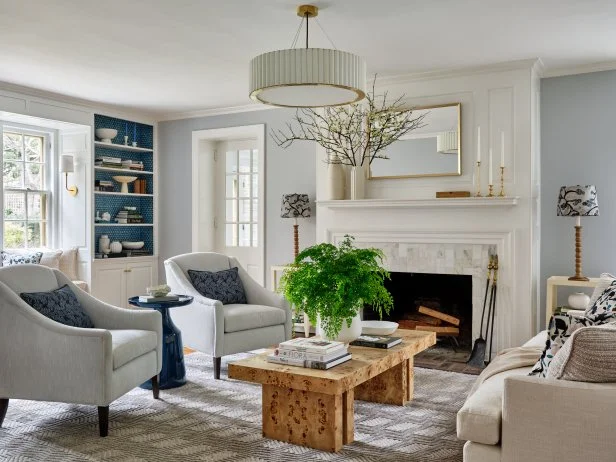
A comfortable home is more than a place filled with attractive furniture and stylish decorations. It is a space where every element works together to create harmony, functionality, and a welcoming atmosphere. Balanced interior design is not about following strict rules or expensive trends. Instead, it focuses on combining colors, textures, furniture, lighting, and personal touches in a way that makes every room feel complete. When balance becomes the foundation of a home’s design, everyday living becomes more enjoyable and less stressful.
Understanding Visual Balance In Interior Design
Balance is one of the most important principles of interior design because it distributes visual weight evenly throughout a room. Designers commonly achieve this through symmetrical, asymmetrical, or radial arrangements, depending on the desired atmosphere. A balanced room naturally feels more comfortable and organized without appearing overly crowded or empty.
Rather than filling every corner, homeowners should think about how each piece contributes to the overall space. Large furniture can be paired with lighter decorative items, while open areas allow the room to breathe and prevent visual clutter.
Choosing Colors That Promote Comfort
Color has a significant influence on how people experience their homes. Neutral shades often create a calming foundation, while carefully selected accent colors introduce warmth and personality without overwhelming the room.
Natural earth tones, soft whites, muted greens, and warm grays continue to remain popular because they complement many decorating styles. These colors also provide flexibility when homeowners decide to refresh accessories or seasonal decorations without completely redesigning the space.
Selecting Furniture With Purpose
Comfortable interiors begin with furniture that serves practical needs while fitting the proportions of the room. Oversized pieces may dominate smaller areas, while furniture that is too small can make spacious rooms feel incomplete.
Every item should have a purpose. Comfortable seating, functional storage, and appropriately sized tables contribute to a balanced environment that supports daily living. Interior designers often recommend focusing on proportion and scale before adding decorative accessories because these elements establish the room’s visual stability.
Organizing Inspiration Through An Uploadarticle Account
Many homeowners gather decorating Ideas before beginning renovation projects. Keeping inspiration organized through an uploadarticle account allows individuals to collect design concepts, compare layouts, and save useful home improvement content for future reference. Having a structured collection of ideas makes planning much easier and helps homeowners develop a consistent design vision.
Layering Textures For Warmth
Balanced interiors rely on more than color alone. Texture introduces depth and character without requiring dramatic design changes.
Soft rugs, woven baskets, wooden furniture, linen curtains, stone surfaces, and upholstered seating create contrast while maintaining visual harmony. Combining smooth, rough, natural, and fabric based materials prevents interiors from feeling flat or overly formal.
Even simple additions such as knitted throws, decorative cushions, or textured wall art can dramatically improve the comfort of a living space.
Drawing Ideas From https://australiabusinessinsights.com.au
Homeowners frequently explore different online resources when researching design trends, renovation strategies, and property improvements. Browsing https://australiabusinessinsights.com.au can expose readers to broader discussions surrounding home related businesses, innovation, and lifestyle developments that often influence modern residential design decisions.
Lighting Creates Balance Throughout The Day
Lighting affects both appearance and functionality. A well balanced lighting plan combines natural daylight with multiple artificial light sources.
Ceiling fixtures provide overall illumination, task lighting supports reading and cooking, while accent lighting highlights artwork or architectural features. This layered approach ensures rooms remain comfortable from morning until evening.
Window treatments also play an important role by controlling sunlight while adding softness to the overall interior design.
Smart Living With Best Android Apps Australia
Technology continues to simplify home management. Many homeowners now rely on best Android apps Australia to control lighting systems, monitor energy usage, organize maintenance schedules, and manage smart home devices. When technology supports convenience without becoming intrusive, it contributes to a more comfortable and efficient living environment.
Blending Style With Everyday Function
Beautiful interiors should never sacrifice practicality. Storage solutions hidden within furniture, flexible room layouts, and multi purpose spaces allow homes to adapt to changing family needs.
A balanced interior considers how people actually live rather than simply how a room appears in photographs. Easy movement, accessible storage, and comfortable seating all contribute to a home that remains functional for years.
Decorative accessories should complement the room instead of dominating it. Carefully selected artwork, indoor plants, books, and personal collections make spaces feel authentic while preserving visual harmony.
Learning From https://australiabusinesshub.com.au
Successful home improvement often involves working with experienced suppliers, designers, and renovation professionals. Exploring resources such as https://australiabusinesshub.com.au can help homeowners discover businesses, services, and industry insights that support better planning for future interior projects.
Following Adelaide Business News For Emerging Home Trends
Interior design preferences continue to evolve alongside changes in construction, sustainability, and consumer lifestyles. Reading Adelaide business news allows homeowners to stay informed about regional business developments, housing innovations, and emerging design ideas that may influence future renovation choices and property investments.
Conclusion
Creating a comfortable home with balanced interior elements is not about achieving perfection. It is about designing spaces that support daily life while reflecting individual personality. By combining thoughtful furniture placement, calming color palettes, layered lighting, varied textures, and functional layouts, homeowners can create interiors that remain welcoming throughout every season. When balance guides every design decision, a home becomes more than simply a place to live. It becomes a space that encourages relaxation, connection, and lasting comfort.