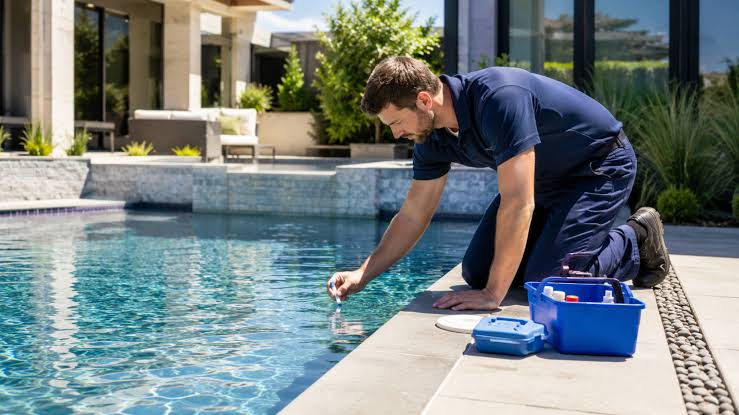
A swimming pool is more than a place for relaxation and recreation. It is a complex system where water chemistry, filtration, circulation, and mechanical equipment work together to maintain a safe swimming environment. While many pool owners focus primarily on keeping the water clear, its chemical balance plays an equally important role in protecting expensive equipment. Poor water quality can gradually damage pumps, filters, heaters, and plumbing components, leading to costly repairs and reduced efficiency.
Understanding the relationship between water quality and equipment performance helps pool owners make informed maintenance decisions. Regular inspections, proper chemical treatment, and professional swimming pool cleaning services can help maintain balanced water conditions while supporting the long-term reliability of essential pool systems.
Water Chemistry and Its Impact on Pool Equipment
Pool water contains various chemicals and minerals that influence how equipment functions. Maintaining appropriate pH levels, sanitizer concentrations, calcium hardness, and total alkalinity is essential for preventing corrosion and mineral buildup.
When water becomes too acidic, it can gradually corrode metal components, including heater elements, fittings, and certain pump parts. Excessively alkaline water, particularly when combined with high calcium levels, can encourage scale formation inside pipes, filters, and heating systems.
These deposits restrict water movement and reduce equipment efficiency. Over time, pumps may need to work harder to maintain circulation, increasing energy consumption and mechanical strain. Regular water testing allows pool owners to identify chemical imbalances before they cause significant damage.
The Relationship Between Water Clarity and Filtration Efficiency
Clear water often indicates effective filtration, but appearance alone does not guarantee proper water quality. Microscopic particles, dissolved contaminants, and chemical imbalances may remain present even when the pool looks clean.
The filtration system continuously removes suspended debris and particles from circulating water. However, excessive dirt, organic matter, and algae can overload filters, reducing their ability to maintain proper circulation.
Clogged filters increase resistance within the circulation system, potentially affecting pump performance and water distribution. Depending on the filter type, routine cleaning or backwashing helps restore efficiency.
Maintaining clean filtration components reduces unnecessary equipment strain and supports consistent water movement throughout the pool.
Calcium Buildup and Its Effect on Heating Systems
Calcium hardness is an important factor in maintaining stable pool water. When calcium concentrations become excessive, particularly under conditions that encourage scaling, mineral deposits can accumulate on pool surfaces and inside mechanical equipment.
Pool heaters are especially vulnerable because elevated temperatures can accelerate scale formation. Deposits on heat exchanger surfaces interfere with heat transfer, forcing heating systems to operate less efficiently.
As scaling becomes more severe, heating performance may decline, and internal components can experience additional stress. Removing accumulated deposits may require specialized maintenance, while extensive damage can result in expensive repairs.
Monitoring calcium hardness alongside pH, alkalinity, and water temperature helps reduce scaling risks and protect heating equipment.
Algae Growth and Circulation System Performance
Algae development is commonly associated with green or cloudy pool water, but its effects extend beyond appearance. Uncontrolled algae growth can increase the amount of organic material entering filters and circulation components.
As algae accumulate, filters may clog more frequently, reducing water flow and increasing maintenance requirements. Poor circulation can then create additional areas where algae develop, producing a cycle of declining water quality.
Maintaining appropriate sanitizer levels, brushing pool surfaces, and ensuring adequate circulation help prevent these problems.
Consistent cleaning also removes debris that contributes to organic contamination, allowing filtration systems to operate more effectively.
Protecting Pool Pumps Through Proper Water Maintenance
The pool pump is responsible for moving water through the filtration, heating, and sanitation systems. Its performance depends on suitable water flow and properly maintained supporting components.
Debris accumulation in skimmer baskets, pump strainers, and filters can restrict circulation. These restrictions may reduce hydraulic efficiency and contribute to operating problems.
Chemical imbalances can also affect certain pump components, particularly seals and metal fittings exposed to aggressive water conditions.
Regularly emptying baskets, inspecting equipment, and maintaining balanced water chemistry help reduce preventable mechanical problems. Pool owners should also monitor unusual noises, leaks, and changes in circulation, as these may indicate developing equipment issues.
The Financial Benefits of Preventive Pool Maintenance
Ignoring water quality problems may appear to save time initially, but delayed maintenance can create substantial expenses. Equipment repairs, increased electricity consumption, and premature component replacement often cost more than routine preventive care.
A structured maintenance schedule allows pool owners to address minor problems before they affect multiple systems. Regular testing, filter inspections, chemical adjustments, and equipment evaluations support more predictable operating costs.
Professional maintenance can be particularly valuable for pools experiencing frequent chemical fluctuations, heavy usage, or recurring filtration problems.
Investing in preventive care helps preserve equipment functionality while reducing unexpected disruptions.
Conclusion
Pool water quality directly influences the performance, efficiency, and lifespan of essential swimming pool equipment. Chemical imbalances, mineral deposits, algae growth, and excessive debris can gradually compromise pumps, filters, heaters, and circulation systems.
Maintaining balanced water chemistry, effective filtration, and consistent cleaning practices helps protect these components from unnecessary wear. By treating water quality as an important part of equipment maintenance, pool owners can reduce repair expenses, improve operating efficiency, and enjoy a cleaner, more dependable swimming environment for years to come.