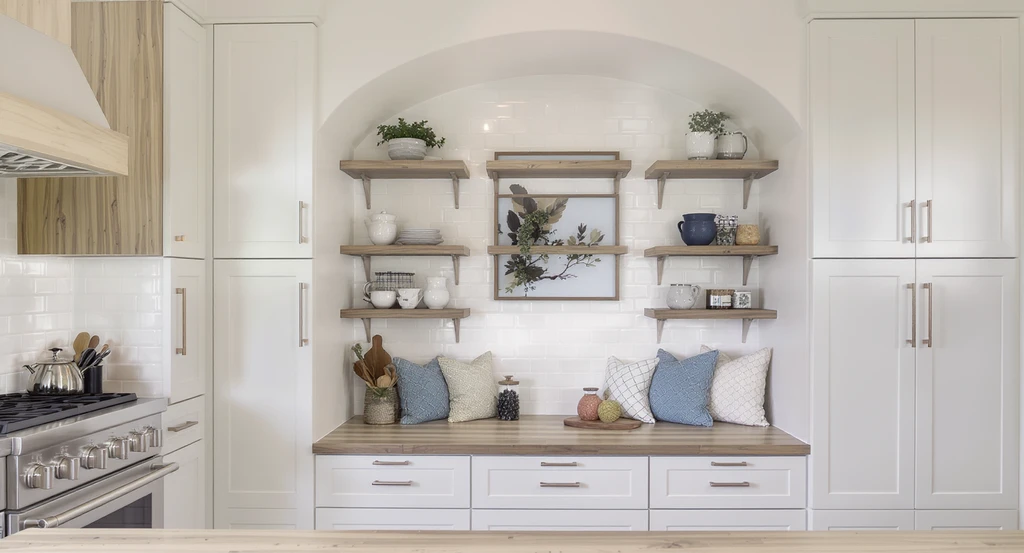
Home renovation projects can be exciting and transformative, but without a well-thought-out budget, they can also become overwhelming and financially draining. Creating a budget for your home renovation project is essential to ensure you stay on track and avoid unexpected expenses. Here’s a comprehensive guide to help you plan and manage your renovation budget effectively.
1. Define Your Renovation Goals
Before you start crunching numbers, clearly define what you want to achieve with your renovation. Are you looking to update your kitchen, add an extra bedroom, or completely overhaul your living space? Understanding your goals will help you estimate costs more accurately and prioritize your spending.
2. Research and Gather Estimates
Conduct thorough research on the costs associated with your renovation. Look up prices for materials, labor, permits, and any additional expenses that might arise. It’s also a good idea to get multiple quotes from contractors to compare prices and services. Online resources, home improvement stores, and consultations with professionals can provide valuable insights into potential costs.
3. Set a Realistic Budget
Based on your research, set a realistic budget that aligns with your financial situation. It’s crucial to be honest about what you can afford and avoid overextending yourself. Consider adding a contingency fund of about 10-20% of your total budget to cover unexpected expenses that might arise during the renovation.
4. Break Down the Costs
Divide your budget into specific categories to get a clear picture of where your money will be going. Typical categories might include:
- Materials: Flooring, paint, tiles, fixtures, etc.
- Labor: Contractor fees, subcontractors, and other skilled labor.
- Permits and Fees: Building permits, inspection fees, etc.
- Design and Planning: Architect or designer fees, if applicable.
- Furniture and Decor: New furniture, accessories, etc.
- Contingency Fund: For unexpected costs.
5. Prioritize Your Spending
Determine which aspects of the renovation are most important to you and allocate your budget accordingly. If you have a limited budget, you might need to make some compromises. Focus on essential structural changes and high-impact improvements first, and consider postponing or scaling back on less critical updates.
6. Track Your Expenses
Once the renovation begins, keep a close eye on your spending. Use a spreadsheet or budgeting app to track every expense and compare it against your budget. Regularly reviewing your expenses will help you stay on track and make adjustments if needed.
7. Plan for the Unexpected
No matter how well you plan, unexpected costs can arise. From hidden structural issues to price fluctuations in materials, it’s essential to be prepared. Your contingency fund will help cover these surprises without derailing your entire budget.
8. Consider Financing Options
If your renovation project requires more funds than you have available, consider financing options. Home equity loans, personal loans, and lines of credit are common ways to finance home improvements. Be sure to research and choose the option that best suits your financial situation and long-term goals.
9. Stay Flexible
While it’s important to stick to your budget, be prepared to adjust your plans if necessary. Flexibility can help you manage costs more effectively and ensure you’re making the best decisions for your home and finances.
10. Evaluate the Return on Investment
Consider the potential return on investment (ROI) for your renovation. Some improvements, like kitchen remodels or bathroom upgrades, tend to increase home value more than others. Understanding the potential ROI can help you make informed decisions about where to allocate your budget.
Conclusion
Creating a budget for your home renovation project is a critical step in ensuring a successful and stress-free experience. By defining your goals, researching costs, setting a realistic budget, and staying vigilant with your spending, you can transform your home without breaking the bank. Remember, careful planning and flexibility are key to navigating the complexities of home renovation budgeting.